
What is Hydroponics?
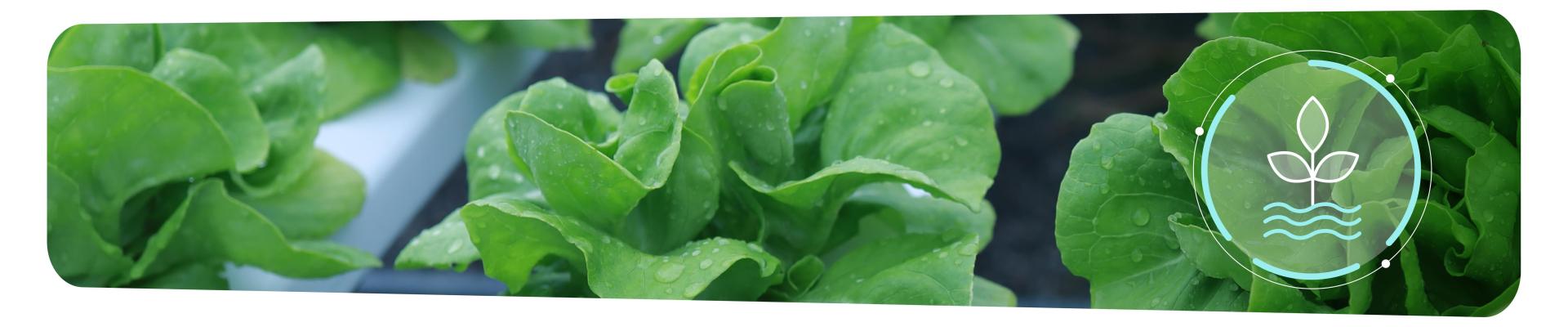
Hydroponics is a modern, soil-free method of growing plants using a nutrient-rich water solution. Instead of drawing nutrients from the soil, plants in hydroponic systems absorb precisely balanced elements directly from the water, allowing for greater control over plant growth and development. This soilless cultivation technique is ideal for areas with poor soil quality, limited land availability, or where high-efficiency crop production is desired.
| Did you know? While hydroponic farming has gained popularity in recent decades, its roots go back centuries. In fact, the first known written record of growing plants without soil dates all the way back to 1627 in Sylva Sylvarum by Francis Bacon! |
The Benefits of Hydroponic Farming
Hydroponics offers several advantages over conventional soil-based cultivation:
Higher yields per area – Plants grow faster and more densely due to optimized conditions.
Water efficiency – Closed-loop systems recycle water, dramatically reducing usage. Learn more
Precise nutrient control – Plants receive only the nutrients they need, minimizing waste and improving quality.
No soil-borne diseases or weeds – This reduces the need for pesticides or herbicides.
Scalability and flexibility – Ideal for urban farming, greenhouses, or areas with degraded soils.
These benefits make hydroponics a favored solution for sustainable, high-performance agriculture.
Challenges in Hydroponic Crop Production
Despite its many advantages, hydroponic farming presents several challenges that must be carefully managed to ensure success.
- Dependence on technology and energy – Systems for pumping, lighting, temperature regulation, and oxygenation must operate continuously and reliably, making hydroponics sensitive to power interruptions or equipment failures.
- Need for professional expertise and continuous monitoring – Managing nutrient balance, water chemistry, and system design requires technical skill. Because hydroponic systems have low buffering capacity, even small errors in pH or EC can quickly lead to nutrient deficiencies or toxicity.
- Disease management – In closed-loop systems, root-borne diseases can spread rapidly through the shared nutrient solution, requiring vigilant hygiene and fast response.
- Oxygen supply – In systems where roots are submerged in water, such as deep water culture, adequate aeration is essential to prevent oxygen deficiency and ensure healthy root function.
Ultimately, a successful hydroponic operation depends on the right combination of advanced tools, high-quality products, and informed agronomic guidance to navigate these challenges effectively.
Types of Hydroponic Systems
Hydroponic cultivation can be implemented through several distinct systems, each with its own advantages and challenges.
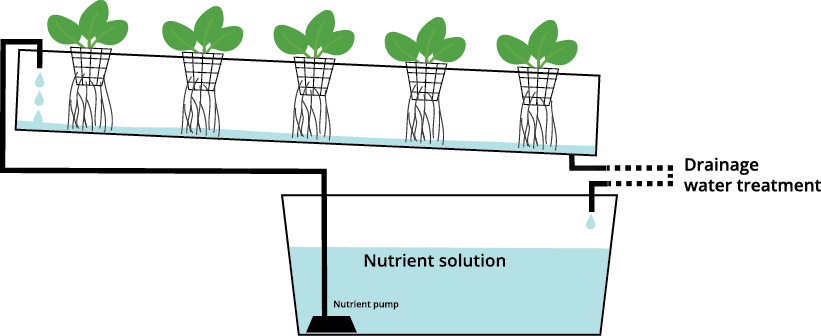
Flowing water systems, such as the Nutrient Film Technique (NFT) and the Deep Flow Technique (DFT), allow a continuous stream of nutrient solution to pass over or around the plant roots. These systems offer excellent control over nutrient delivery and are highly efficient in terms of water and fertilizer use. However, they demand careful oxygen management. In DFT systems, for instance, the nutrient solution forms a deeper layer (5–15 cm), and since oxygen diffusion from the surface is limited, mechanical aeration is required to maintain root health.
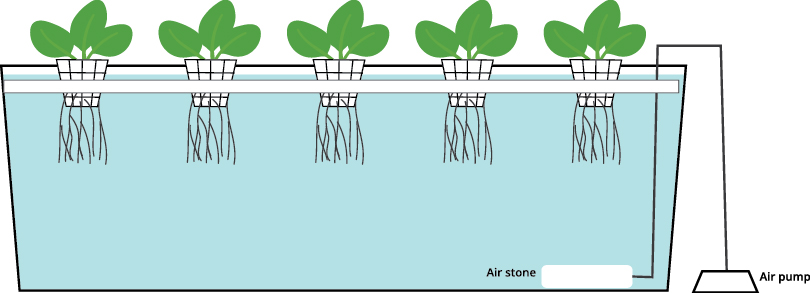
In still water systems, such as floating raft setups, the plant roots are suspended directly into a static pool of nutrient solution. This method is relatively simple and cost-effective, making it popular in low-tech or startup environments. The main challenge lies in maintaining adequate oxygen levels in the solution, often necessitating the use of air pumps or diffusers.
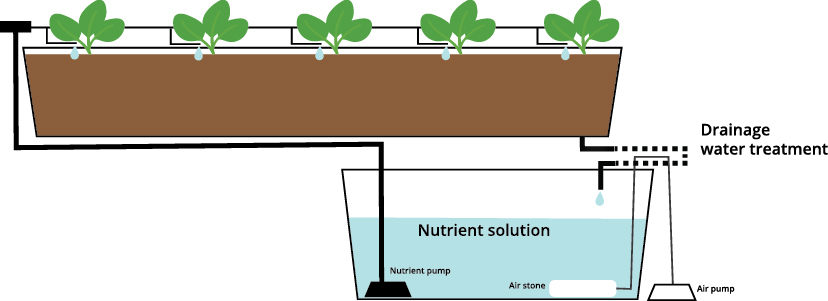
Substrate-based systems rely on solid growing media – like coco peat, rockwool, perlite, or their combinations – to anchor plant roots and retain moisture. These substrates do not provide nutrients themselves but act as a support structure and buffer. This method offers some physical stability and helps reduce fluctuation in water availability. However, the choice of substrate influences irrigation frequency and nutrient retention, requiring a well-calibrated fertigation strategy.
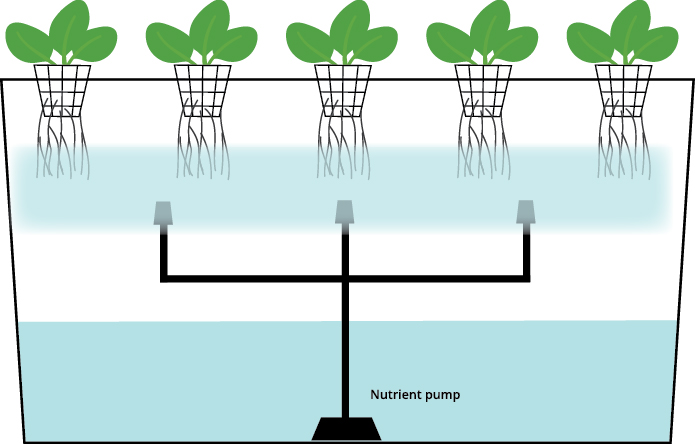
Aeroponics, the most high-tech of all systems, involves suspending plant roots in the air and misting them regularly with a fine nutrient solution. This technique maximizes oxygen availability and encourages rapid plant development. However, it is also the most technically demanding system, as even short interruptions in misting can stress the plants due to the lack of a water buffer.
Each of these systems offers unique benefits and requires specific management strategies, making the choice highly dependent on crop type, production goals, and available infrastructure.
High Standards: Fertilization in Hydroponic Systems
In hydroponics, fertilizers must meet extremely high standards of purity, solubility, and system compatibility. There’s no soil to buffer or filter impurities—so every element in the nutrient solution must be carefully selected.
Haifa offers specialty fertilizers tailor-made for hydroponic applications. They are:
- Fully water-soluble and chloride-free
- Low in sodium (Na) and other harmful elements
- Supplied in forms that plants can easily absorb
Explore Haifa’s products for hydroponics
Nutrient Program: Customization is Key
No two hydroponic setups are exactly alike. The choice of crop, environmental conditions, water quality, and system type all affect nutrient requirements. That’s why Haifa emphasizes customized nutrition programs tailored to your specific conditions.
Haifa’s NutriNet™ Reci is a powerful online tool designed for managing plant nutrition in recirculated hydroponic systems. It helps growers create detailed nutrient plans tailored to crop requirements and system parameters, ensuring balanced feeding and optimal nutrient use efficiency. From initial setup to continuous fine-tuning, NutriNet™ Reci is your smart companion for hydroponic success.