



Content
- Main functions of potato nutrients
- Overall nutrient requirements of potato crop
- Nutrient uptake curve
- Nutrient management
- Nutritional disorders in potato
Main functions of potato plant nutrients
Each essential nutrient plays a unique role in supporting the growth, development, and productivity of potato crops:
- Nitrogen (N) is crucial for protein synthesis and overall vegetative growth, directly contributing to high yields.
- Phosphorus (P) is vital for energy transfer and cell division, making it essential during root development and reproductive stages.
- Potassium (K) aids in the transport of sugars, regulates stomatal function, and activates numerous enzymes, while also enhancing the plant’s resistance to diseases.
- Calcium (Ca) helps build strong cell walls and improves disease resistance.
- Magnesium (Mg) plays a central role in photosynthesis and is involved in many enzymatic processes.
- Sulfur (S) is necessary for synthesizing essential amino acids such as cystine and methionine.
- Iron (Fe) is indispensable for chlorophyll synthesis.
- Manganese (Mn) is required for efficient photosynthesis
- Boron (B) contributes to cell wall formation, pollen tube development, and sugar transport.
- Zinc (Zn) is essential for the synthesis of auxins—plant hormones involved in growth regulation.
- Copper (Cu) supports the metabolism of nitrogen and carbohydrates.
- Molybdenum (Mo) is a key component of the nitrate reductase and nitrogenase enzymes involved in nitrogen metabolism.
Effect of macronutrients on potato yield quality and quality
| Parameter | Increase in dosage of | ||
Nitrogen | Phosphorus | Potassium | |
Tuber size | ↑ | No effect | ↑ |
Sensitivity to mechanical damage | ↑ | ↓ | ↓ |
Tuber blackening 1 | ↑ | No effect | No effect |
% dry matter 2 | ↓ | ↑ | ↑ |
% starch 3 | ↓ | ↑ | ↑ |
% protein | ↑ | ↓ | Conflicting results |
% reducing sugars | Inconsistent | ↑ | ↓ |
Taste | ↓ | ↑ | No effect |
Blackening after cooking | ↑ | No effect |
|
1) Blackening is caused by oxidation of phenol compounds when skin is exposed.
2) A high percentage of dry matter is required in potatoes for industry.
3) High concentrations are desirable. The characteristic is correlated to the specific gravity.
As the table shows, macronutrients influence different aspects of potato growth and yield. This highlights the importance of supplying nutrients in the right ratios, tailored to each growth stage, to effectively support the plant’s physiological processes.
Overall nutrient requirements of potato crop
Nutrient removal by potato crop (kg/ha)
The figures represent yield of 55 ton/ha.
| Tubers | Vines | Total |
N | 152.9 | 235.4 | 388.3 |
P | 12.1 | 31.9 | 44 |
K | 302.5 | 264 | 566.5 |
Ca | 47.3 | 81.4 | 55.4 |
Mg | 27.4 | 16.17 | 43.67 |
Cu | 0.099 | 0.03 | 0.129 |
Zn | 0.176 | 0.12 | 0.296 |
B | 0.066 | 0.16 | 0.226 |
Mn | 0.077 | 0.19 | 0.267 |
Fe | 1.309 | 2.47 | 3.779 |
Nutrient uptake curves
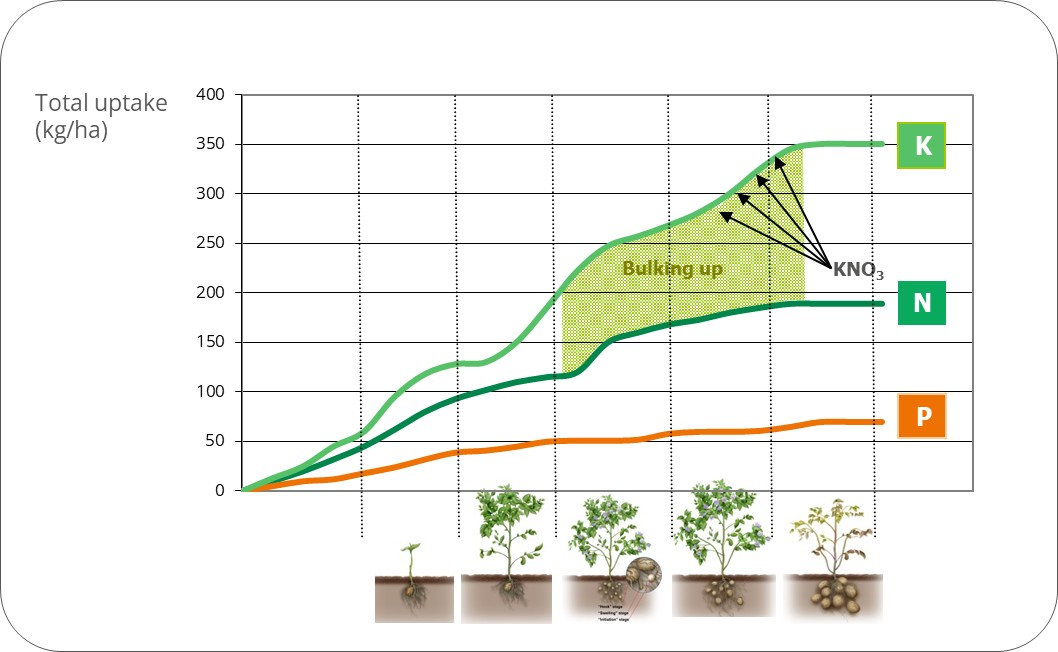
Nutrient uptake reaches its peak during the tuber bulking stage, when the tubers undergo intensive volume increase. The total amount of nutrients removed by a potato crop is closely linked to the yield – doubling the yield typically results in a proportional increase in nutrient removal.
To support high yields and maintain quality, nutrients must be applied with precision – targeted to the root zone, and timed just before or during the crop’s period of demand. Inadequate or unbalanced nutrient supply can negatively impact tuber quality and significantly reduce yield.
As shown in the nutrient uptake curve, the demand for potassium is highest during the tuber bulking stage. The onset of flowering is a reliable morphological indicator of when this critical phase begins. When using side-dressing fertilization, Multi-K™ Agri should be applied at this stage to meet the crop’s potassium requirements effectively.
Uptake of macronutrient uptake by a potato crop
Source: Harris (1978)
The daily requirements of potato tubers during the critical bulking stage are 4.5 kg/ha N,
0.3 kg/ha P and 6.0 kg/ha K. Potassium requirements of potato tubers during the bulking stage are very high, being a luxury consumption. Yield increase during tuber bulking can reach 1000-1500 kg/ha/day. Therefore, it is important to supply the required plant nutrients during this stage in right ratio and in ample quantities.
Nutrient management
Nitrogen (N)
Adequate N management is one of the most important factors required to obtain high yields of excellent quality potatoes. An adequate early season N supply is important to support vegetative growth.
The effect of N rate on potato yields
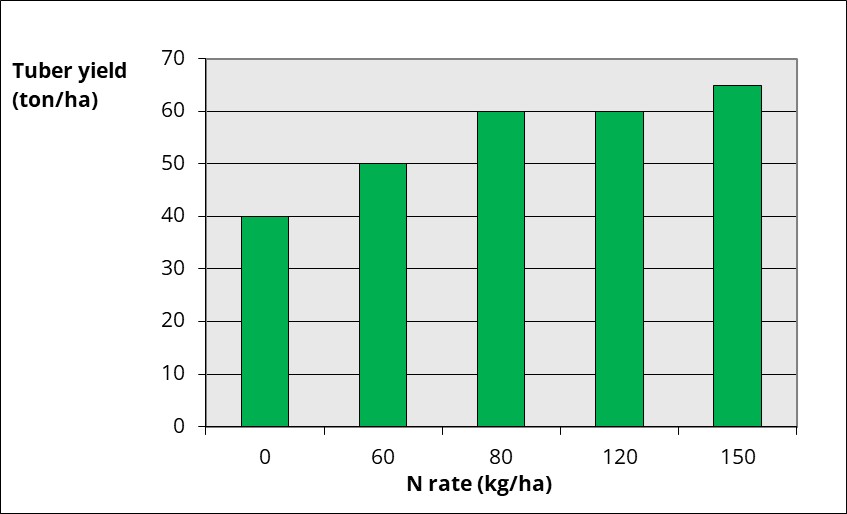
Potatoes are shallow-rooted and typically grown in sandy, well-drained soils. While these conditions are favorable for root development, they also present challenges for water and nitrogen (N) management. Nitrate, the primary form of nitrogen available to plants, is highly mobile and prone to leaching losses in such soils.
To minimize losses and ensure adequate availability, split applications of nitrogen are recommended. This involves applying a portion of the total N requirement before planting, followed by additional applications during the growing season – either through side-dressing or fertigation.
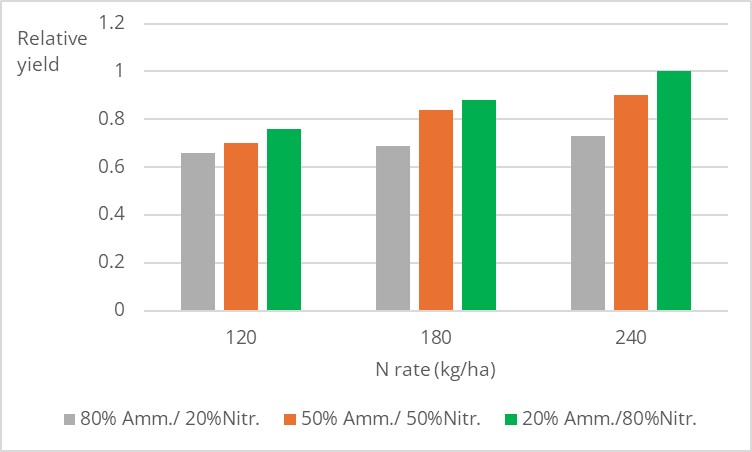
The timing and rate of nitrogen uptake depend on the variety and are influenced by factors such as root density and time to maturity. Early stages require a balanced ammonium-to-nitrate ratio, as excessive ammonium can lower the root-zone pH and encourage the development of Rhizoctonia disease. In contrast, nitrate-nitrogen not only supports healthy growth but also facilitates the uptake of key cations –calcium, potassium, and magnesium – which are essential for achieving high specific gravity in tubers.
The crop nitrogen demand during tuber bulking is 2.2–3.0 kg/ha/day.
It is important to avoid excessive nitrogen application late in the season, as this can delay tuber maturation, impair skin set, and reduce post-harvest quality and storage life.
The effect of nitrate/ammonium ratio and N rate on total yield of U.T.D. tuber yield
Source: Vegetables & Fruits, Feb./March, 2000. South Africa
Nitrogen Assessment
Soil testing to a depth of 60 cm. in the spring is critical to planning an effective N management program. Post-harvest soil samples may help growers to select succeeding crops, which will make maximum use of the residual N after the potato crop.
To ensure precise nitrogen management, petiole analysis during the season is a valuable tool, allowing growers to monitor N status and adjust nutrition accordingly.
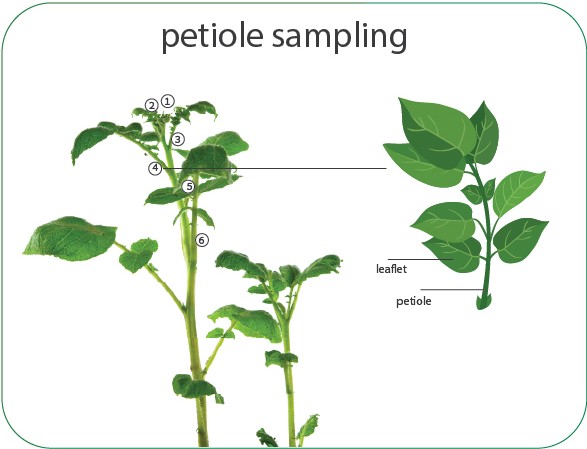
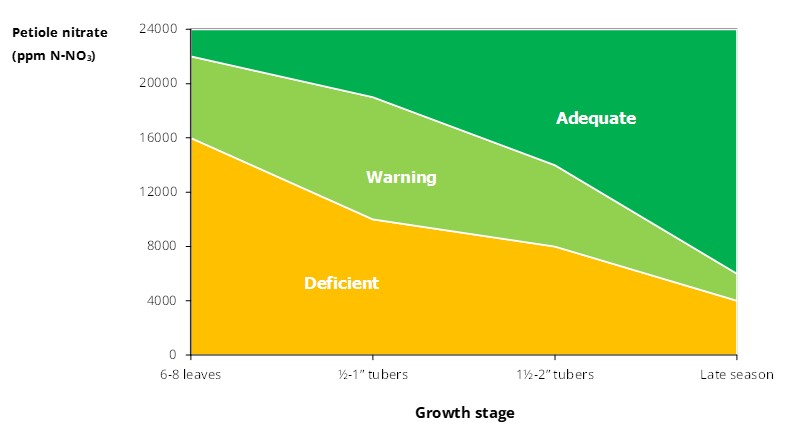
Petiole nitrate sampling allows for in-season monitoring of the crop’s nutrient status. Collecting the 4th petiole from 30 – 50 randomly selected plants throughout the field is recommended. Tissue samples are often collected weekly to track changes in nitrate levels, and to plan supplemental fertilizer applications, should levels drop below optimum. Critical petiole nitrate-levels decline as the potato crop develops and matures. Generally, petiole nitrate-N levels at tuber bulking are <10,000 ppm = low, 10,000-15,000 ppm = medium, >15,000 ppm = sufficient.
Interpretation of N-NO3 levels in potato petioles at different stages of growth
For real-time nitrogen assessment, growers are encouraged to use the Croptune™ app, which provides on-the-spot analysis based on leaf imaging – supporting timely, data-driven fertilization decisions.
Phosphorus (P)
Phosphorus plays a vital role in early root and shoot development, as it provides the energy needed for critical plant functions such as ion uptake, transport, and cellular metabolism. Phosphate ions are absorbed by roots only when dissolved in the soil solution, making their availability highly dependent on environmental conditions.
Phosphorus deficiencies may occur even in soils with sufficient available P if factors like drought, low temperatures, or root diseases impede phosphorus diffusion toward the root surface. Such deficiencies can lead to poor root development and reduced uptake efficiency, ultimately affecting overall plant performance.
At the tuber initiation stage, an adequate supply of phosphorus is essential to optimize the number of tubers formed. As the crop develops, phosphorus continues to play a key role in starch synthesis, transport, and storage – all of which are critical for tuber quality and yield.
To improve phosphorus use efficiency, research supports strategies such as the use of controlled-release fertilizers and the addition of humic substances, both of which enhance phosphorus availability in the root zone and reduce fixation in the soil.
Potassium (K)
Potatoes require large quantities of potassium throughout their growth cycle, as this macronutrient is crucial for numerous physiological and metabolic processes. Potassium plays a key role in:
- Stomatal regulation and plant water balance
- Ion homeostasis within plant tissues
- Nitrate reduction and efficient nitrogen use
- Translocation of sugars from leaves to tubers
- Conversion of sugars into starch, contributing to tuber dry matter and quality
Adequate potassium levels are essential for achieving high yields and producing tubers with desirable size, quality, and specific gravity. Potassium deficiency is associated with:
- Reduced yield and tuber size
- Poor starch accumulation
- Low specific gravity
- Increased susceptibility to diseases, drought, and frost
Potassium fertilization guidelines
Because potatoes require substantial soil K, especially in sandy or low-K soils, careful planning of potassium fertilizer applications is essential.
- Broadcast application prior to planting is the most commonly recommended method.
- If band application is used, the rate should not exceed 45 kg K₂O/ha to avoid salt injury to emerging sprouts.
- When total application exceeds 400 kg K₂O/ha, particularly under temperate conditions, it's advisable to split the application, spacing doses 6–8 weeks apart to improve uptake efficiency and reduce leaching losses.
How to select K fertilizer?
The source of potassium significantly influences both the yield and quality of potato tubers.
Potassium nitrate fertilizers, such as Multi-K™, have been shown to outperform other sources – resulting in higher tuber yields and greater dry matter content, as demonstrated in the figures below.
In addition, studies have found that potassium nitrate enhances tuber protein content and improves flavor compared to potassium chloride (KCl), making it a preferred choice for growers aiming for top-quality production.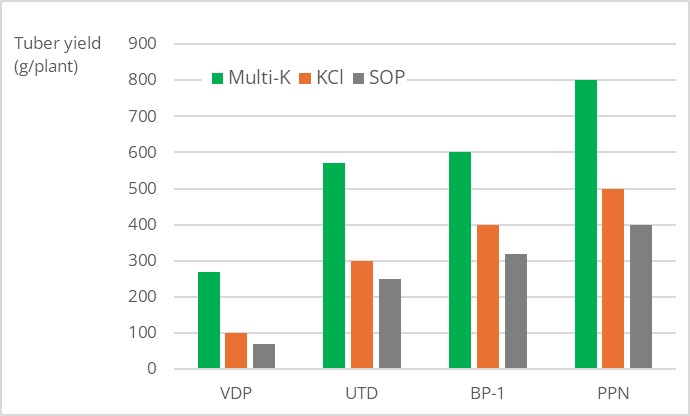
The effect of K source on potato yield quality
| KCl | SOP | Multi-K™ | |
| % dry matter | 16.3 | 17.1 | 17.8 |
| Tuber specific gravity | 1.062 | 1.065 | 1.068 |
| Chips color rating | 41.2 | 42.6 | 43.2 |
Secondary nutrients
Calcium (Ca) is a vital structural element in plants, serving as a key component of cell walls. It strengthens cell walls and membranes, enhancing cell stability and resistance to bacterial and fungal infections. Calcium also contributes to the plant’s stress response system by participating in intracellular signaling pathways that are activated under environmental stress. Additionally, it plays a crucial role in regulating potassium uptake, supporting stomatal function and water balance.
Magnesium (Mg) is central to photosynthesis, as it forms the core atom of each chlorophyll molecule. Beyond its role in light capture, magnesium is involved in essential metabolic processes including sugar and protein synthesis. It also facilitates the translocation of sugars, especially sucrose, from the leaves to the developing tubers.
Sulfur (S) plays a defensive role in potato cultivation by reducing the incidence of common and powdery scab. This effect is partly due to the acidifying action of elemental sulfur, which lowers soil pH and creates less favorable conditions for scab pathogens. In addition, sulfur is essential for protein synthesis and enzyme function in the plant.
Nutritional disorders in potato
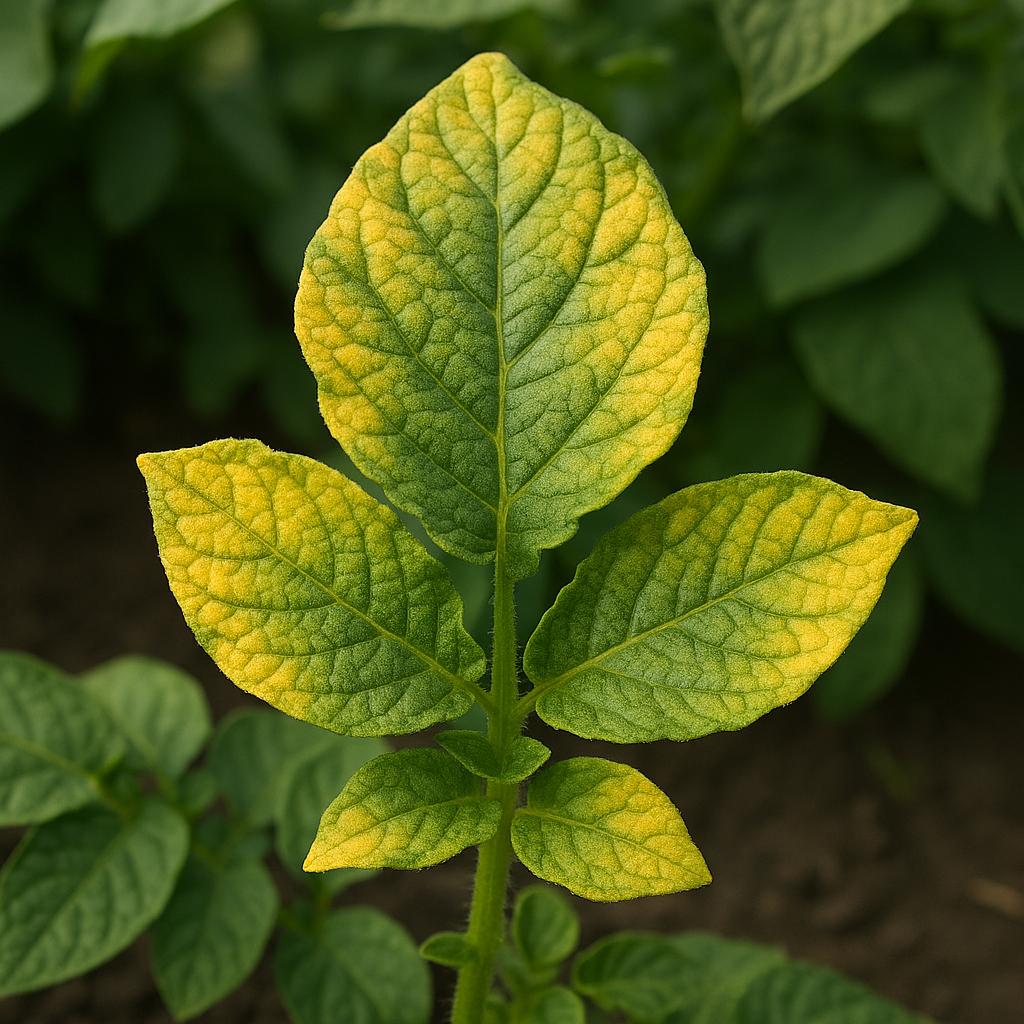 | Nitrogen Nitrogen deficiency is characterized by reduced vegetative growth and pale green to yellowing leaves, especially on older foliage. This leads to smaller canopies, lower photosynthetic activity, and ultimately a reduction in both tuber size and number, negatively affecting yield. The severity of the deficiency may be exacerbated by factors such as extreme soil pH (either too low or too high), low organic matter content, drought stress, or excessive irrigation that promotes nitrogen leaching. Nitrogen surplus often results in excessive vine growth, delayed tuber maturity, and reduced specific gravity of tubers – affecting processing quality. Physiological issues such as hollow heart and growth cracks may also develop. Furthermore, nitrogen excess increases the crop’s susceptibility to diseases and can make vine desiccation (‘burn-down’) before harvest more difficult, complicating harvest operations. |
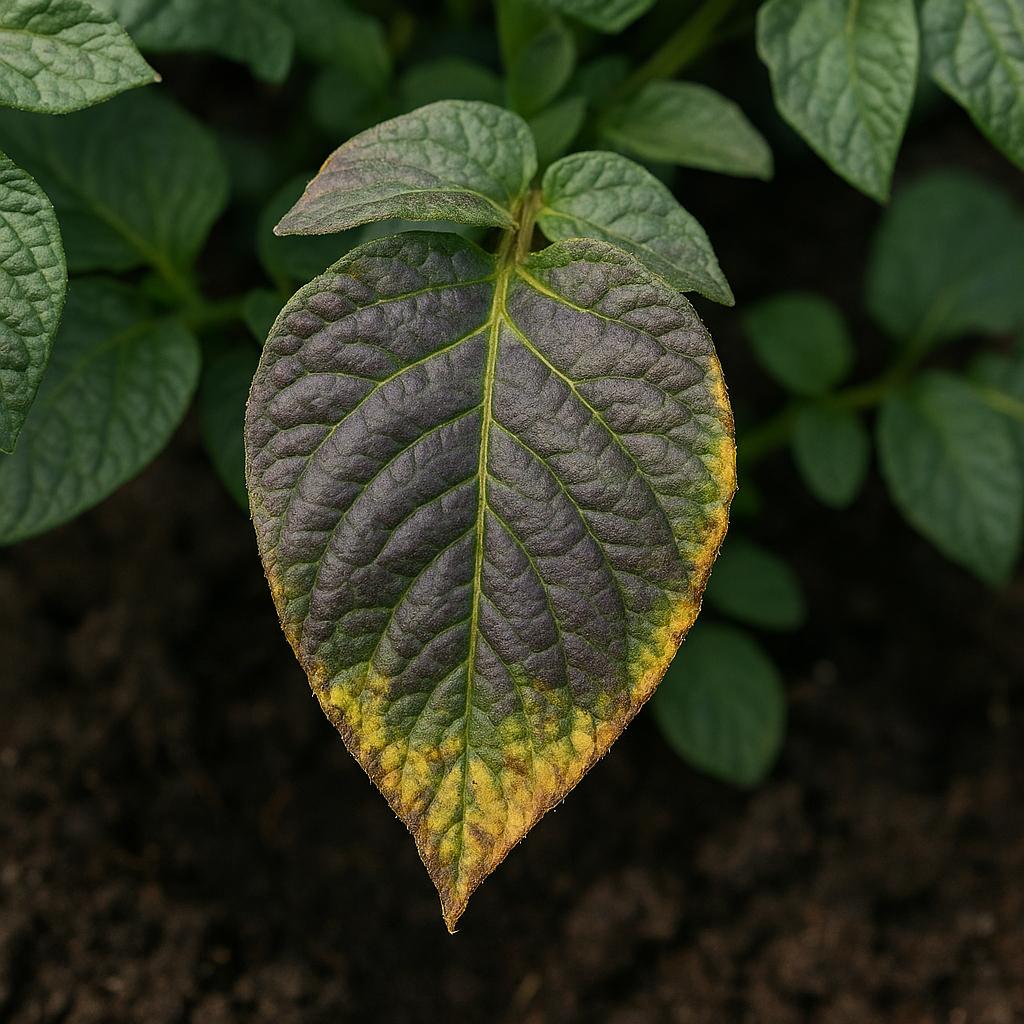 | Phosphorus One of the first signs of P deficiency is slow or stunted shoot and root growth, especially noticeable in the early stages of development. Roots may appear underdeveloped, with reduced branching and limited root hair formation, leading to poor nutrient and water uptake. A classic visual symptom is the appearance of purple or reddish discoloration, particularly on the older leaves. This is due to the accumulation of anthocyanin pigments when phosphorus is deficient. |
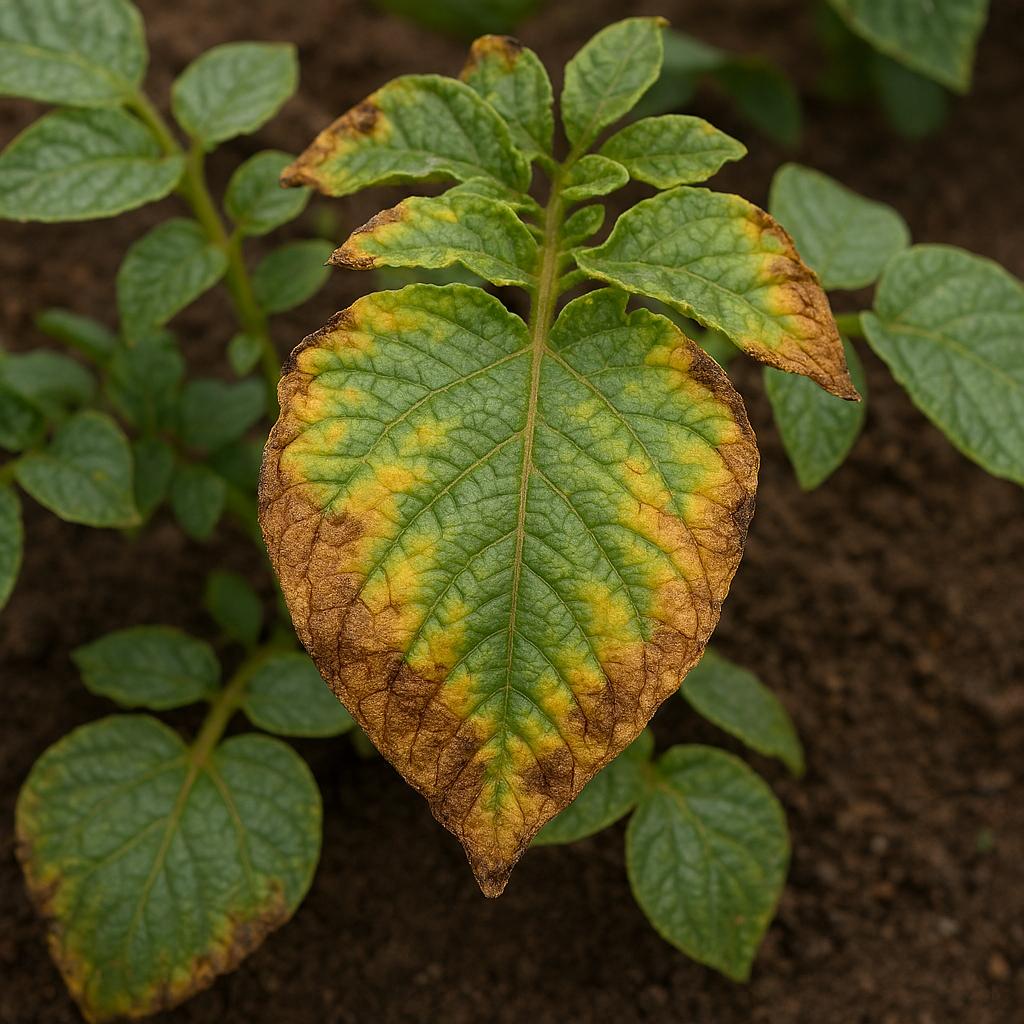 | Potassium Potassium deficiency in potassium results in reduced nitrogen utilization, slowed plant growth, and ultimately leads to lower yields, inferior tuber quality, and weakened resistance to diseases. Visible symptoms typically include leaf margin scorch or necrosis, especially on older leaves, and premature senescence of the foliage. Potassium excess may reduce tuber specific gravity, impacting processing quality. Moreover, potassium excess can antagonize the uptake of calcium and magnesium, leading to potential secondary deficiencies. |
 | Calcium Calcium deficiency can severely disrupt plant growth and tuber quality. In potatoes, calcium deficiency often results in poor root development, deformation of shoot tips, and ultimately reduced yields and limited tuber shelf life due to poor skin integrity. Excessive calcium, particularly when applied in high concentrations or in soils already rich in Ca, can interfere with magnesium uptake, leading to secondary magnesium deficiency symptoms such as interveinal chlorosis and reduced photosynthesis. |
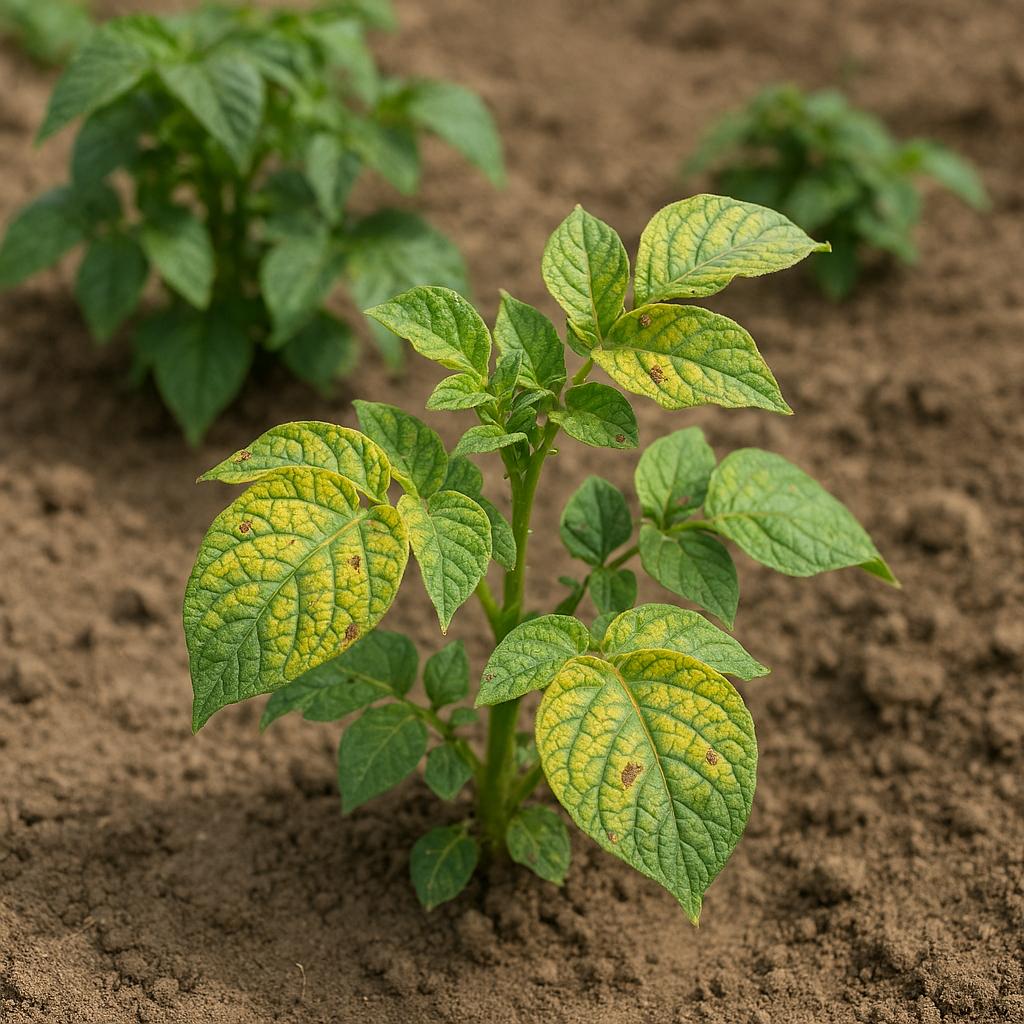 | Magnesium Magnesium is a central element in the chlorophyll molecule, making it essential for photosynthesis and energy production. Under magnesium-deficient conditions, photosynthesis slows significantly, leading to reduced tuber formation and lower yields, with potential yield losses of up to 15% in severe cases. Excess magnesium can inhibit calcium uptake, potentially leading to symptoms associated with calcium deficiency – such as weakened cell walls, tip burn, and increased disease susceptibility. |
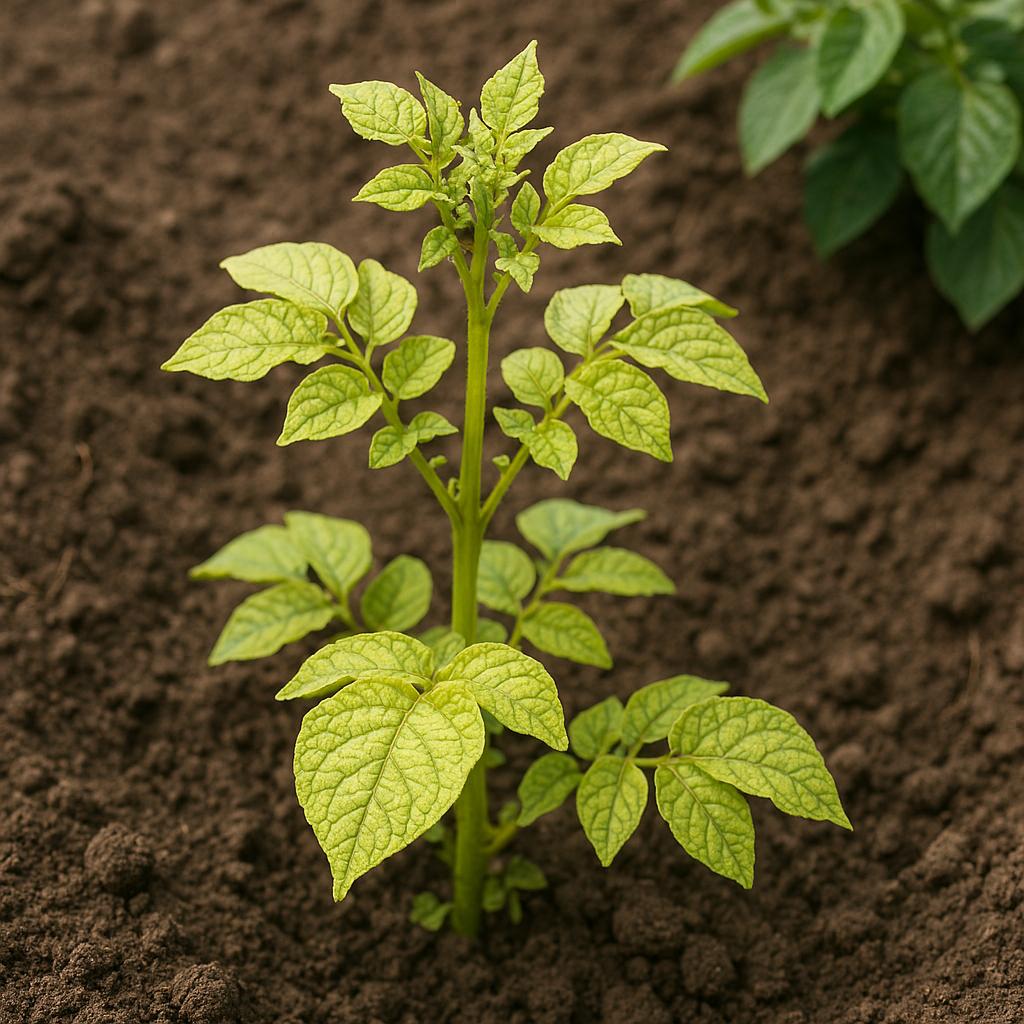 | Sulfur Sulfur is essential for the synthesis of amino acids, enzymes, and vitamins. Deficiency in sulfur leads to reduced plant growth and pale green to yellow foliage, particularly in the younger leaves—unlike nitrogen deficiency, which affects older leaves first. In sulfur-deficient plants, the number of leaves is reduced, and overall canopy development is limited, ultimately affecting tuber yield and quality. |
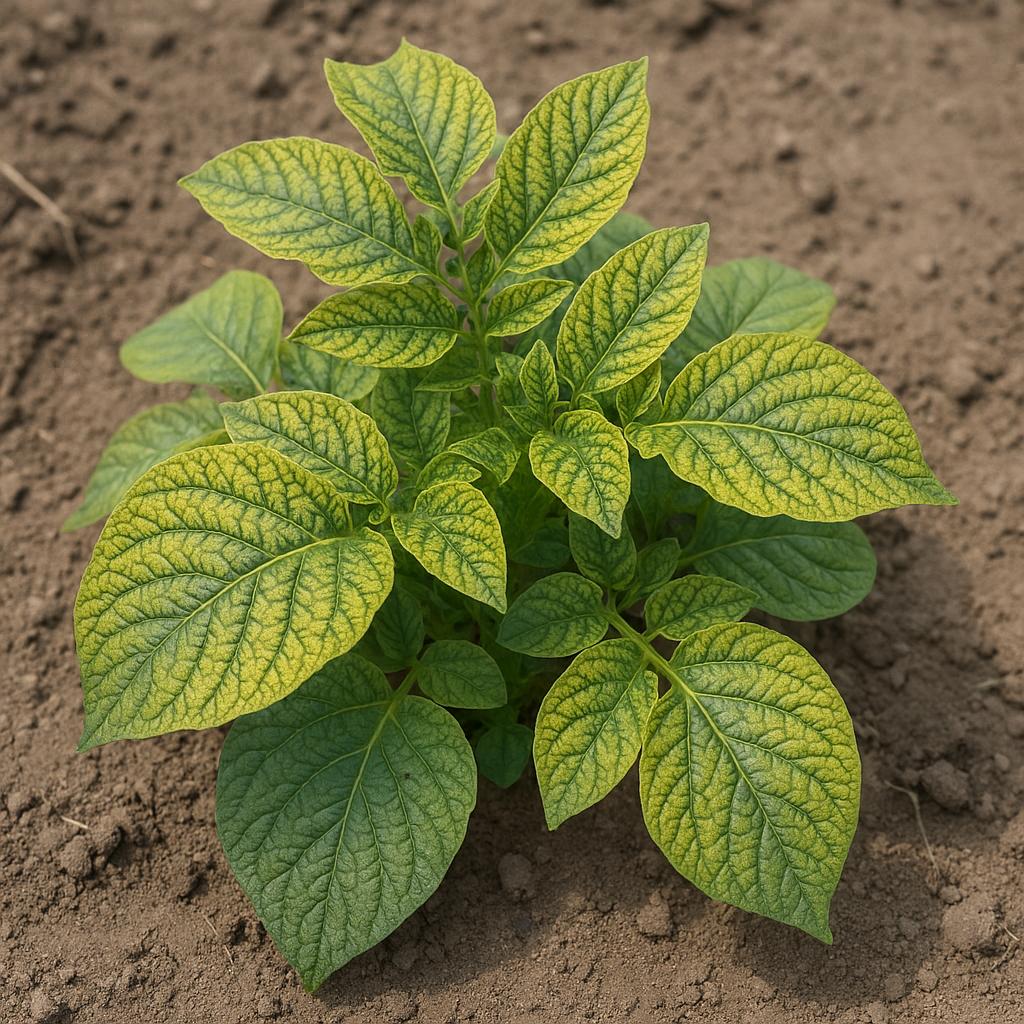 | Iron Iron deficiency is typically manifested by interveinal chlorosis—where the leaf tissue between the veins turns yellow, while the veins themselves remain green. This symptom first appears on the youngest (newest) leaves, as iron is relatively immobile within the plant. |
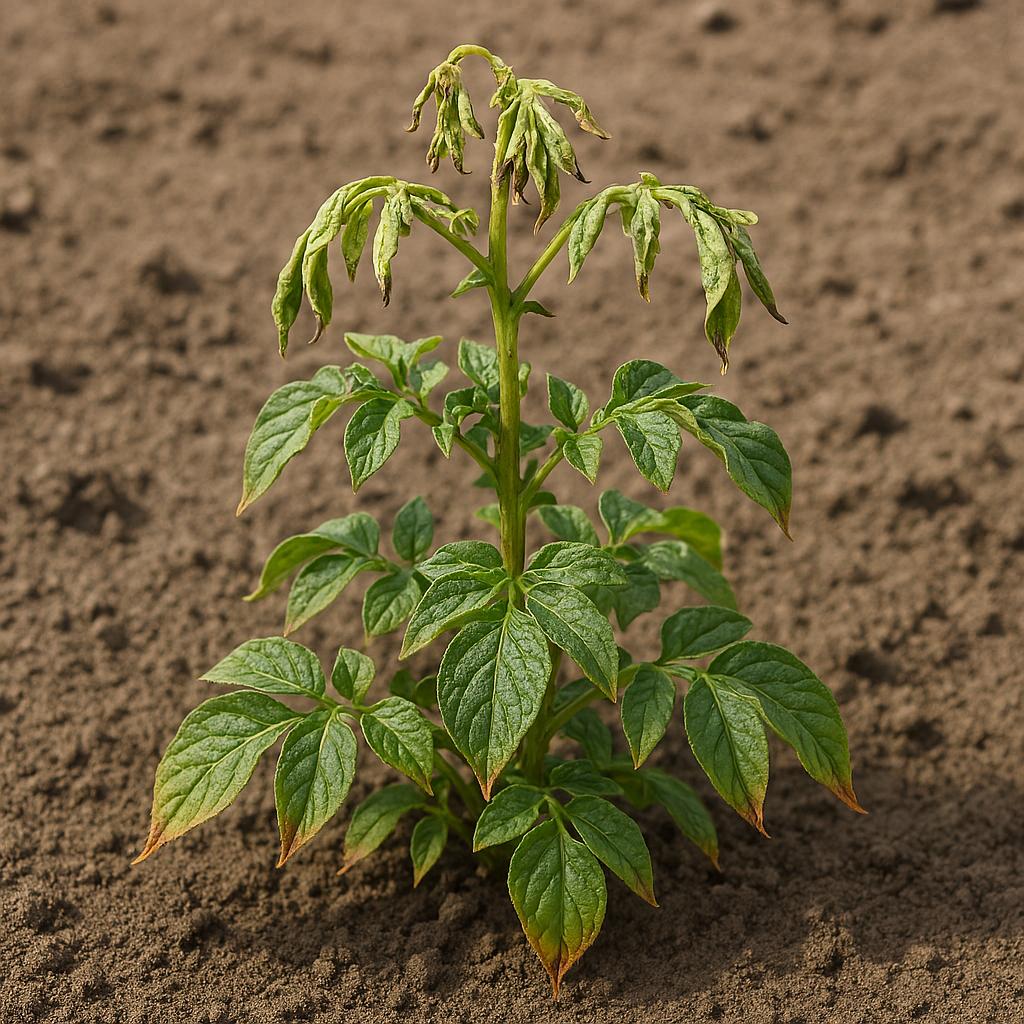
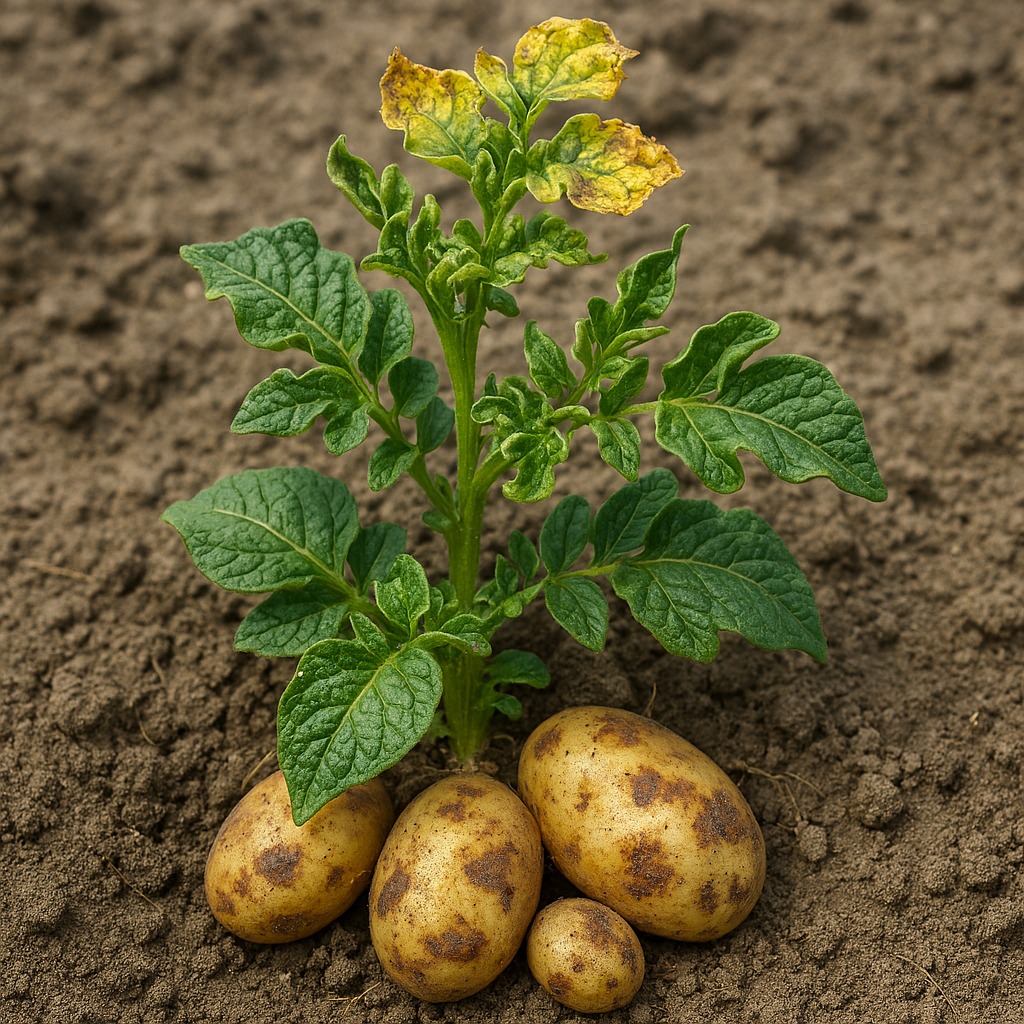 | Boron Boron is essential for cell wall formation, reproductive development, and the transport of sugars within the plant. Under boron-deficient conditions, several characteristic symptoms may appear:
Timely boron supplementation is essential, as even slight deficiencies can have a pronounced impact on tuber quality and plant structure. |
 | Copper Copper deficiency can significantly affect the growth and development of potato plants, especially during the reproductive phase. Typical symptoms of copper deficiency include:
Copper deficiency can also increase the plant’s susceptibility to diseases and negatively affect overall crop vigor. |
 | Zinc Zinc deficiency in potatoes commonly affects young tissues and disrupts normal leaf development and photosynthesis. Typical symptoms of zinc deficiency are:
Zinc deficiency not only compromises foliage development but also impacts tuber yield and quality if not corrected in time. |
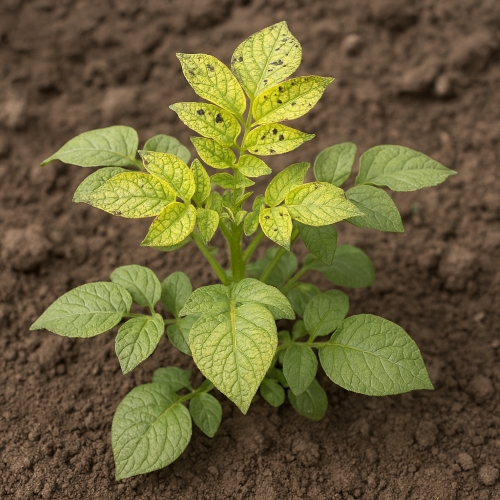 | Manganese Although required in small quantities, Mn deficiency can have a significant impact on potato crop development and tuber quality. Typical deficiency symptoms:
Timely correction of manganese deficiency is important to maintain photosynthetic activity, protect tuber quality, and avoid harvest losses. |