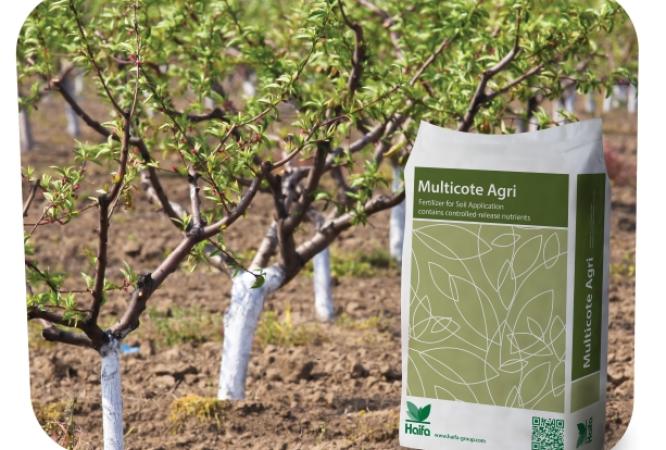

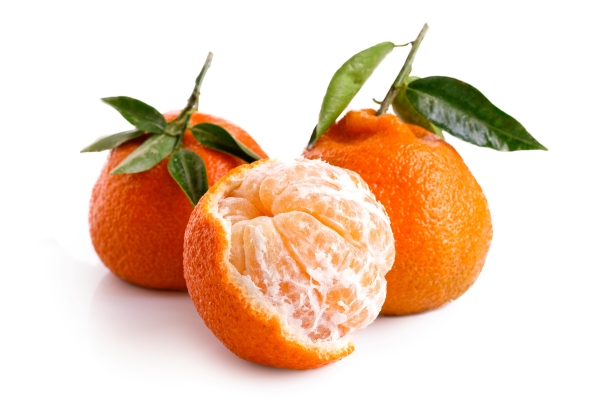
 | A six-year trial in southern Israel evaluated alternative potassium fertilization strategies in Or tangerine orchards. Replacing potassium chloride (KCl) with Haifa’s chloride-free Multi-K™ potassium nitrate improved average yields by 15%. Controlled-release Multicote™ Agri, applied once per season at 70% of the standard nutrient rate, achieved similar yield gains while reducing nutrient input. Both treatments also stabilized production across seasons by mitigating alternate bearing. |
Introduction
In citrus orchards, fertigation – applying nutrients through irrigation – is a common and efficient practice. But many growers still rely on potassium chloride (KCl) as their potassium source. Here's the catch: for every kilogram of K₂O applied from KCl, 0.75 kg of chloride is also added. This excess chloride doesn’t help the tree – in fact, it can do more harm than good.
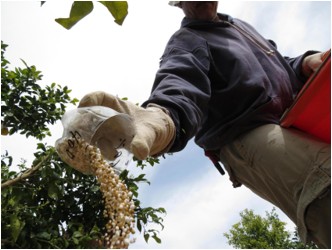
To explore better alternatives, a six-year trial was conducted in the sandy soils of Gvulot, southern Israel, on Or tangerine trees. The trial compared traditional practices with smarter solutions from Haifa Group that are both more efficient and environmentally friendly.
Trial Design
- Crop: Easy-peeler tangerine (cv. Or)
- Location: Gvulot, Israel
- Planting year: 2012
- Soil: Sandy
- Irrigation: Drip, using variable-quality reclaimed water
- Observation period: Started in year 5 after planting, continued for 6 seasons
- Fertilization treatments:
1. Farmer's practice – fertigation using KCl
2. Haifa Nutrigation™ – fertigation using chloride-free Multi-K™ (potassium nitrate)
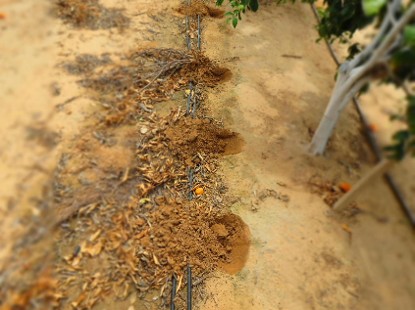
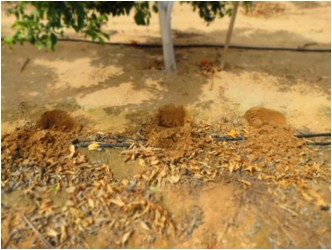
3. Multicote™ Agri (8-month formula) – applied once a year at 70% of the full fertilization rate
4. Multicote™ Agri (8-month formula) – Applied once a year at either 50% of the full fertilization rate
The fertilization rates for the farmer’s practice were determined by the grower, based on leaf analysis, previous yields, and other agronomic considerations. The application rates for all other treatments aligned with this baseline.
Nutrient inputs remained relatively consistent throughout the trial period, providing:
- 160–220 kg/ha Nitrogen (N)
- 20–40 kg/ha Phosphorus (P₂O₅)
- 200–250 kg/ha Potassium (K₂O)
All fertilization treatments were applied from the year of planting.
 |  |  |
Yield results
Yield data collection began in 2015, the first year of fruit production. As expected, this initial yield was relatively low and is therefore excluded from average yield calculations. Data for the 2020 season was not recorded due to COVID-19-related limitations. The final year of recorded yields was 2021.
Treatment | Average Yield (t/ha) | Cumulative Yield (t/ha) |
Farmer's practice (KCl) | 32.9 | 177.2 |
Haifa Nutrigation™ | 37.9 | 200.0 |
Multicote™ Agri – 70% rate | 37.6 | 197.2 |
Multicote™ Agri – 50% rate | 33.2 | 176.8 |
Key Takeaways
- Ditch the Chloride: Replacing KCl with Multi-K™ potassium nitrate delivered a 15% yield increase – 5 extra tons per hectare on average.
- Efficiency with Multicote™ Agri: At 70% rate, Multicote™ Agri matched Multi-K™ in performance –delivering high yields with fewer applications. Even at 50% rate, yields remained comparable to traditional fertigation with KCl.
- Stabilized Production: Both Multi-K™ Nutrigation™ and Multicote™ Agri 70% reduced yield fluctuations, helping mitigate alternate bearing.
Conclusion: Better Potassium, Better Results
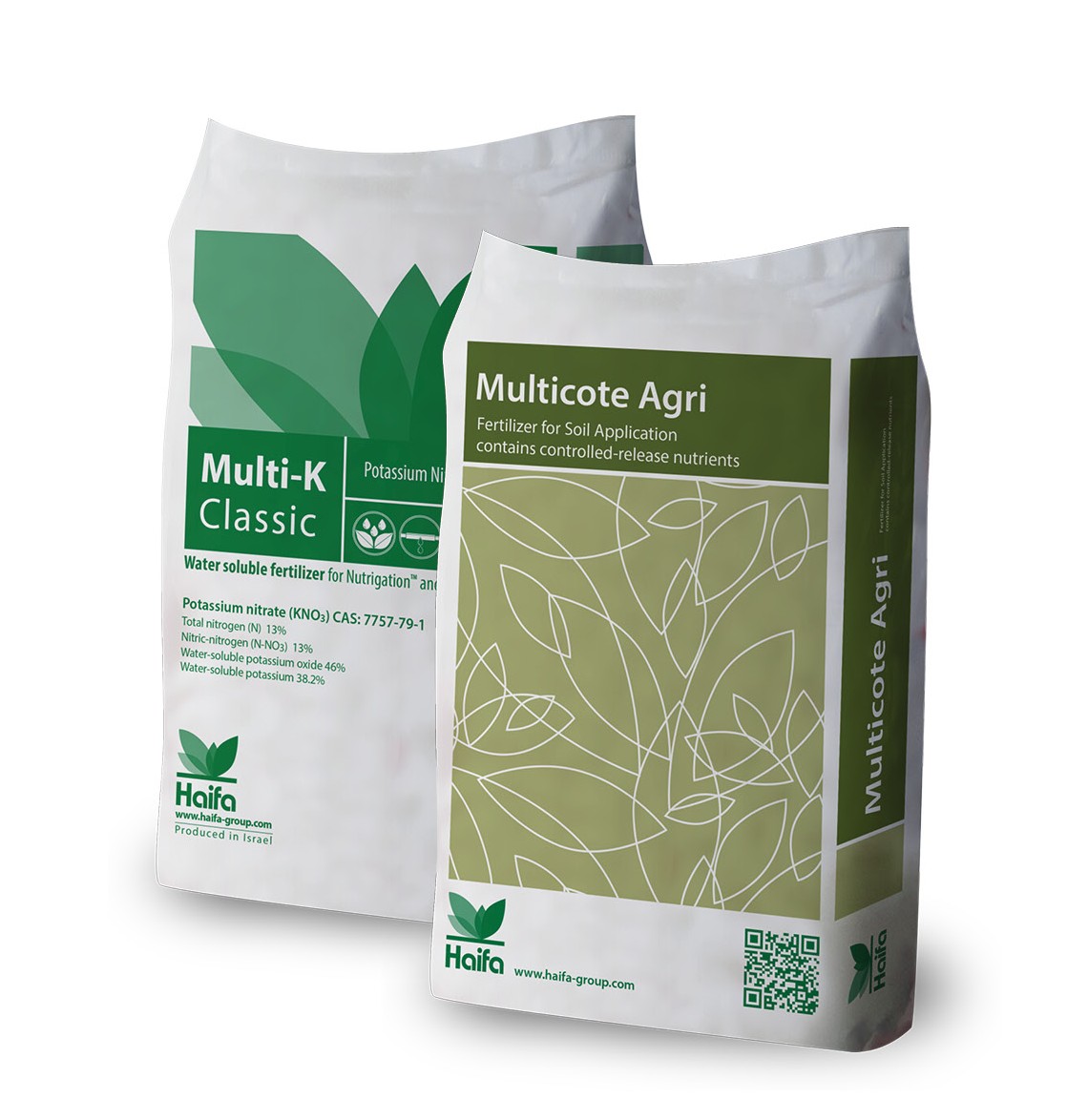 | This long-term trial proves the value of upgrading your potassium source. Replacing KCl with Haifa’s chloride-free solutions boosts productivity, reduces input costs, and supports sustainable practices. Whether you choose precise fertigation with Multi-K™ or the convenience of Multicote™ Agri, Haifa gives your citrus trees exactly what they need – when they need it.
|