
How can nutrients be effectively delivered in high-pH or calcareous soils?
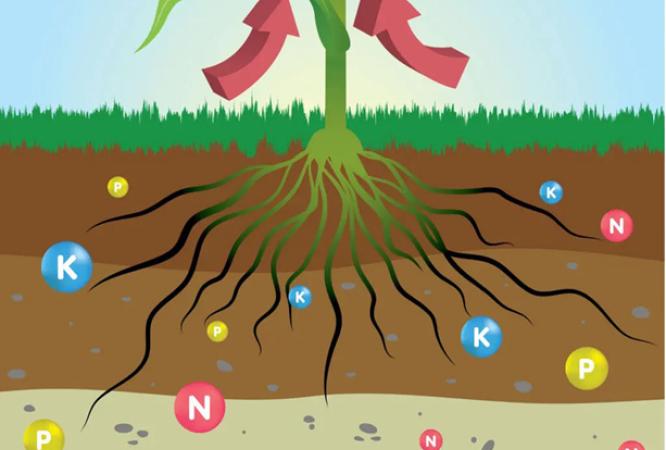
Calcareous and alkaline soils are common in many agricultural regions, especially in arid and semi-arid climates. These soils often contain high levels of calcium carbonate and have a naturally high pH, usually above 7.5 and sometimes exceeding 8.0. While such soils may appear fertile in terms of total nutrient content, they often present a major challenge: many essential nutrients become poorly available to plants.
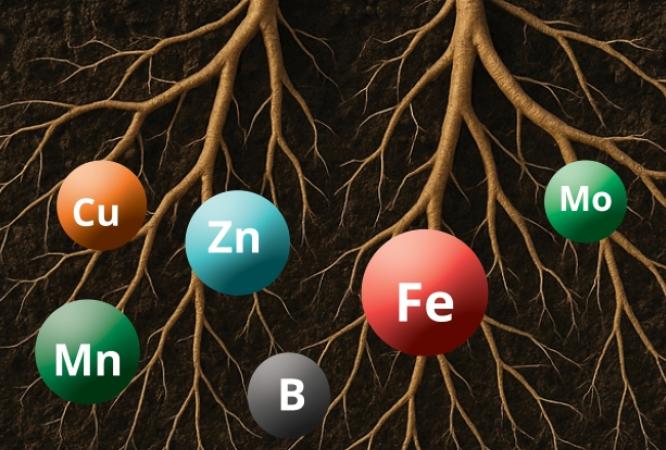
This is especially true for micronutrients such as iron, zinc, and manganese. Even when these elements are present in the soil, their chemical form may prevent root uptake. As a result, crops may show clear deficiency symptoms despite adequate or even high nutrient levels in soil tests.
For growers, this creates a practical field challenge: how to provide crops with the nutrients they need when the soil itself limits nutrient availability. Effective management requires understanding the soil chemistry, the plant’s physiological response, and the most suitable fertilization strategy for each production system.
The effect of high soil pH and calcium carbonate on nutrient availability
Soil pH is one of the most important factors affecting nutrient availability. In calcareous soils, the presence of calcium carbonate acts as a strong buffering system, maintaining alkaline conditions and making it difficult to significantly lower soil pH over the long term.
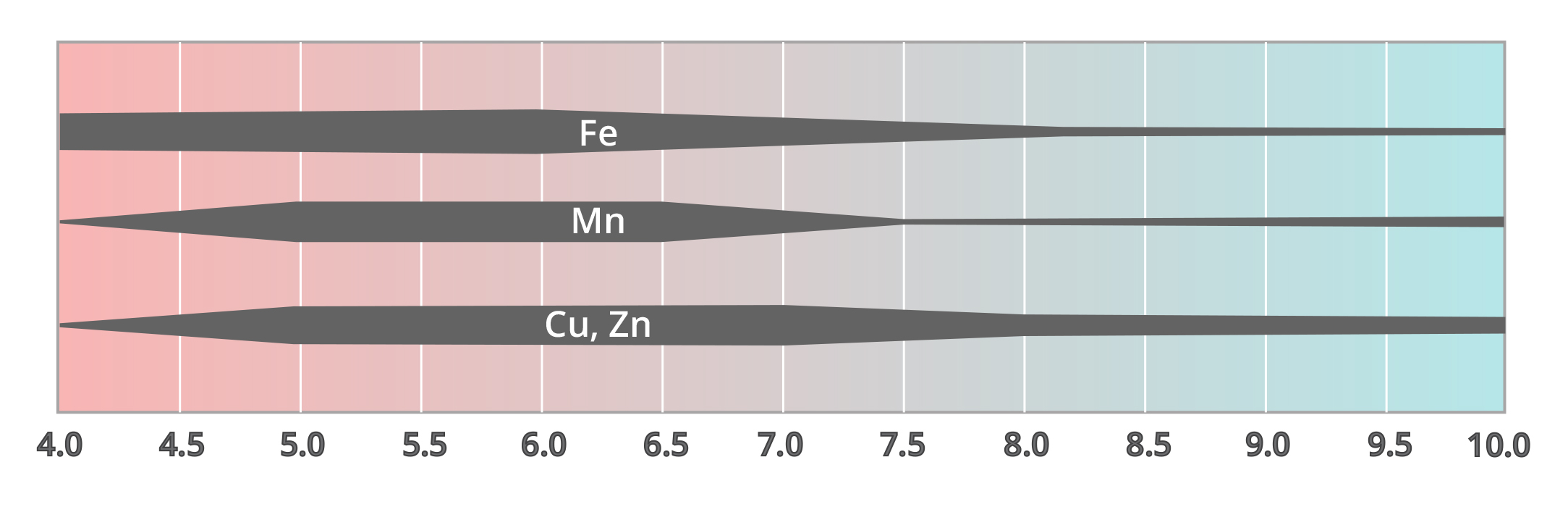
Under high-pH conditions, several nutrients become less soluble. This means they are converted into chemical forms that remain in the soil but are not easily absorbed by plant roots. Micronutrients such as iron, zinc, manganese, and copper are especially affected.
The challenge is often not a lack of nutrients in the soil, but a lack of available nutrients in the root zone. This distinction is important. Applying more of the same nutrient in an unsuitable form may not solve the problem and can lead to inefficient fertilizer use, higher costs, and environmental losses.
The mechanisms that interfere with nutrient availability
Chemical mechanisms
In alkaline and calcareous soils, micronutrients tend to react with hydroxide ions, carbonate, bicarbonate, and calcium compounds. These reactions reduce nutrient solubility and lead to precipitation or fixation.
Iron, for example, can rapidly convert into insoluble oxides and hydroxides under high-pH conditions. Zinc and manganese may also become strongly adsorbed to soil particles or precipitated as unavailable compounds.
Bicarbonate in the soil solution can further intensify the problem. High bicarbonate levels interfere with iron uptake and movement within the plant and are often associated with iron chlorosis, particularly in sensitive crops.
Phosphorus availability may also be affected in calcareous soils, as phosphate can react with calcium and form less soluble calcium-phosphate compounds. This reduces the efficiency of phosphorus fertilization and may limit early root development and plant establishment.
Plant physiological mechanisms
Plants do not passively absorb nutrients. They actively respond to nutrient limitations through root activity, exudation of organic compounds, and changes in rhizosphere pH. However, in strongly buffered calcareous soils, these natural mechanisms may not be sufficient.
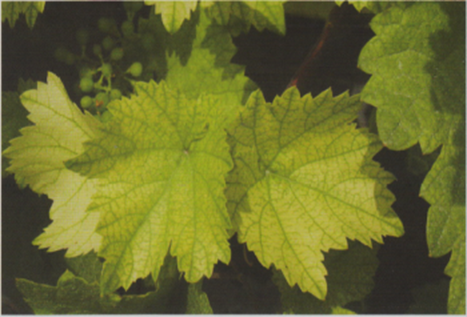
Some crops are more sensitive than others. For example, iron chlorosis is common in citrus, grapes, avocado, berries, ornamentals, and many vegetable crops grown in high-pH soils. Sensitive varieties may struggle to mobilize iron effectively, even when the soil contains enough total iron.
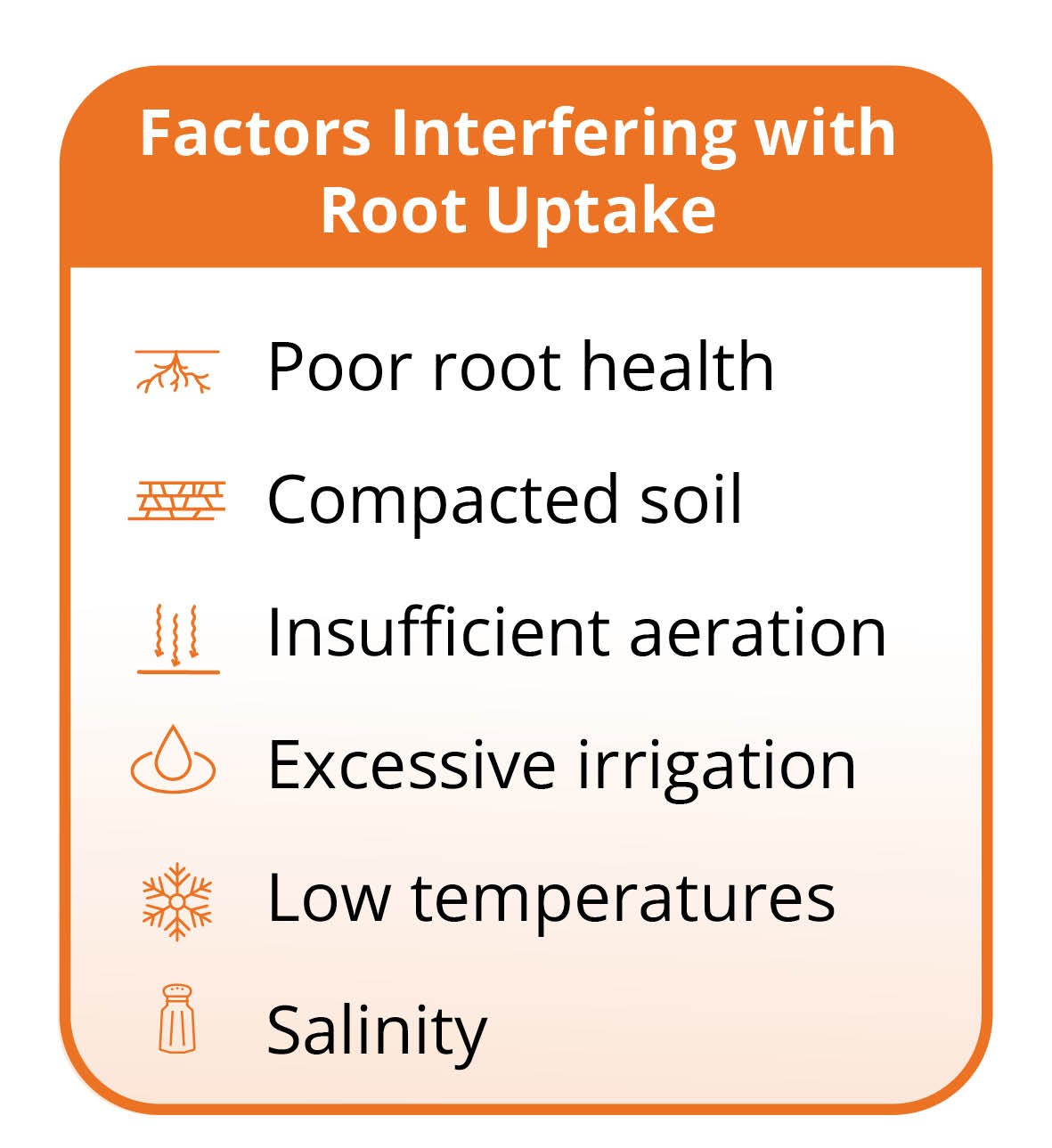
Root health is also critical. Compacted soils, poor aeration, over-irrigation, salinity, and low root activity can all reduce nutrient uptake. In calcareous soils, these stress factors often combine with chemical limitations, increasing the risk of visible deficiency symptoms and reduced performance.
Typical reactions of specific nutrients
Iron
Iron is highly sensitive to high soil pH. In calcareous soils, under alkaline conditions, iron rapidly oxidizes and precipitates as poorly soluble ferric hydroxides and oxides. High bicarbonate levels may further interfere with iron uptake and movement within the plant.
Because iron has limited mobility inside the plant, reduced availability is usually expressed first in young leaves, often through chlorosis and reduced photosynthetic activity. Effective soil application depends on using iron forms that remain stable and available under alkaline conditions.
Zinc
As soil pH increases, zinc solubility declines sharply. Zinc may become adsorbed onto clay minerals, organic matter, and calcium carbonate surfaces, or precipitate into less available forms. Zinc may also precipitate as zinc hydroxides or carbonates under alkaline conditions. These reactions reduce zinc concentration in the soil solution and limit root uptake.
Limited zinc availability can affect enzyme activity, hormone regulation, protein synthesis, and early growth processes. Symptoms and yield effects vary by crop and growth stage, but reduced vigor and impaired reproductive development are common risks.
Manganese
Manganese availability is strongly affected by pH and oxidation conditions. In alkaline, well-aerated soils, manganese is oxidized into less soluble forms that are difficult for roots to absorb. This process is often intensified in soils with high carbonate content and good aeration.
Low manganese availability may interfere with photosynthesis, nitrogen metabolism, and enzyme activation. Symptoms are generally expressed as chlorosis and weaker plant performance.
Practical solutions for nutrient management in calcareous and alkaline soils
1. Manage soil and irrigation water pH
In highly calcareous soils, reducing the overall soil pH is difficult because calcium carbonate buffers the soil system. However, managing the pH of the root zone and irrigation water can improve nutrient availability.
Acidification of irrigation water, where appropriate, can help reduce bicarbonate levels and improve the availability of phosphorus and micronutrients in the wetted soil volume. The use of acidifying fertilizers may also support a more favorable rhizosphere environment.
The form of nitrogen applied can also influence root-zone pH. Ammonium-based nitrogen tends to acidify the rhizosphere as it is taken up by the plant, while nitrate-based nitrogen may have a more neutral or alkalizing effect. In calcareous soils, carefully balancing nitrogen forms can therefore help support nutrient availability, while still matching the crop’s nutritional needs and sensitivity to ammonium.
Meet Multi-K pHorte – potassium nitrate with pH control
Organic matter addition can improve soil structure, microbial activity, and nutrient cycling. Organic acids produced during decomposition may help mobilize certain nutrients locally in the root zone. However, the effect is generally localized and relatively small in highly calcareous soils because calcium carbonate buffering remains dominant.
Organic amendments should be viewed as part of a long-term soil management strategy rather than an immediate correction for severe micronutrient deficiency. The goal is not always to change the entire soil pH, but to create better chemical conditions where roots are active and nutrient uptake takes place.
Try HaifaStim™ HumiK - Liquid formulation rich in humic and fulvic acids
2. Use micronutrient chelates
Chelated micronutrients are one of the most effective tools for supplying nutrients in high-pH soils. Chelates protect metal ions such as iron, zinc, manganese, and copper from reacting with soil components and becoming unavailable.
Learn more about the mechanism of chelates and how it secures nutrient availability
The type of chelate matters. Some chelating agents are stable only within a limited pH range, while others remain effective in alkaline conditions. For calcareous soils, EDDHA-based iron chelates are generally preferred because they remain stable and effective under strongly alkaline conditions where EDTA and DTPA chelates lose effectiveness.
| Chelate | pH stability limit |
| EDTA | up to ~6–6.5 |
| DTPA | up to ~7–7.5 |
| EDDHA / EDDHSA | up to 9 |
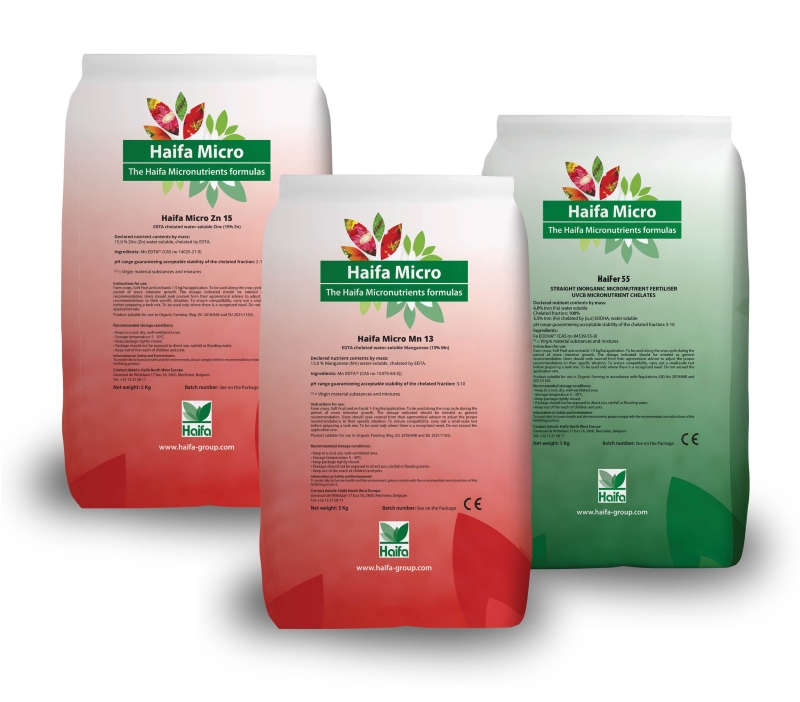
Haifa Micro™ products, including chelated micronutrient solutions and combinations, are designed to support precise micronutrient management. In calcareous and alkaline soils, choosing the correct chelated form helps improve nutrient efficiency and reduce the risk of repeated deficiency.
3. Apply foliar nutrition when root uptake is limited
Foliar application of fertilizers provides a direct route for nutrient delivery when soil conditions limit root uptake. It is especially useful for correcting or preventing micronutrient deficiencies during critical growth stages.
Micronutrient demand is often stage-specific. Crops may require increased availability of zinc, manganese, iron, boron, or other micronutrients during phases such as early vegetative growth, flowering, fruit set, cell division, and rapid fruit development. When soil availability is limited by high pH, carbonate content, weak root activity, or environmental stress, foliar nutrition can help deliver the required nutrients at the right time and directly to active plant tissues.
Foliar nutrition can be highly effective for zinc, manganese, and iron, provided that the nutrient form, concentration, timing, and spray conditions are appropriate. Applications should be made when the crop has enough leaf area to absorb nutrients and when weather conditions reduce the risk of leaf damage.
4. Use Nutrigation™ for precise root-zone delivery
Nutrigation™ allows nutrients to be delivered directly to the active root zone through the irrigation system. This is especially valuable in calcareous soils, where nutrient availability may vary strongly within the soil profile.
By applying nutrients in smaller, more frequent doses, Nutrigation™ improves synchronization between crop demand and nutrient supply. It also enables better control of nutrient concentration, pH, and electrical conductivity in the root environment.
Water-soluble fertilizers such as Multi-K™, Poly-Feed™, Haifa Cal™, and Haifa Micro™ can be used as part of a Nutrigation™ strategy, depending on crop requirements and water quality. In alkaline conditions, attention should be given to fertilizer solubility, compatibility, and the effect of irrigation water composition.
Integrating the solutions
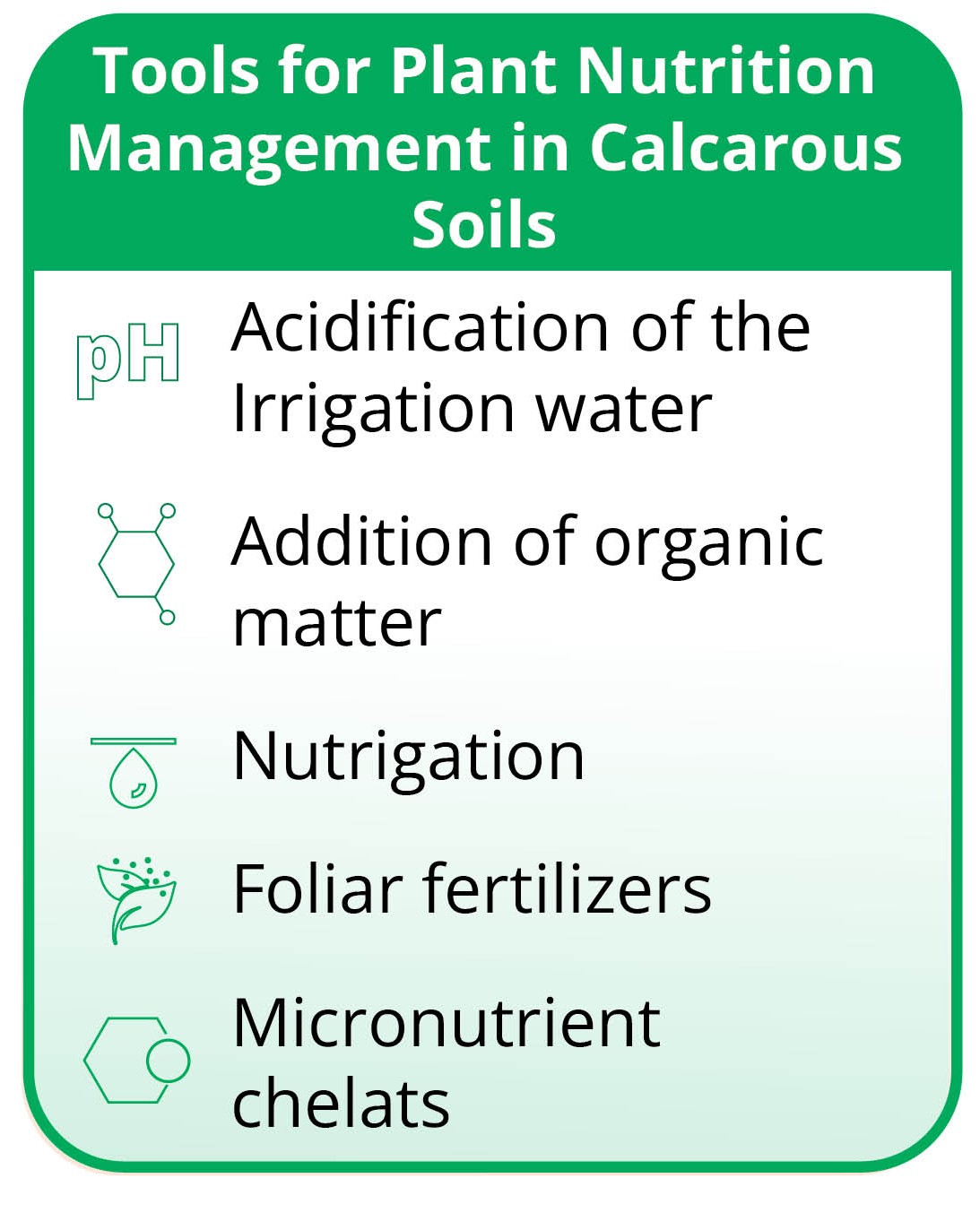
There is no single universal solution for calcareous and alkaline soils. Effective management usually requires an integrated approach:
First, understand the soil and water conditions through regular testing. Soil pH, calcium carbonate content, bicarbonate levels in irrigation water, salinity, and nutrient status should all be considered.
Second, match the nutrient source to the soil conditions. In high-pH soils, nutrient form is often more important than nutrient quantity. Applying highly available and stable forms can improve efficiency and reduce waste.
Third, combine soil, Nutrigation™, and foliar strategies. Soil and Nutrigation™ applications support the root zone, while foliar nutrition provides rapid correction during periods of high demand or visible deficiency.
Finally, monitor crop response. Leaf analysis, visual observation, and digital tools can help refine the program during the season and support more accurate decisions.
Conclusion
Calcareous and alkaline soils present a real challenge for growers because they can limit nutrient availability even when nutrients are present in the soil. Iron, zinc, and manganese are among the most affected micronutrients, and deficiencies can reduce crop growth, yield, and quality. Phosphorus availability may also be significantly reduced despite adequate soil phosphorus reserves. Successful fertilization in these soils depends on more than simply applying additional nutrients. It requires understanding the chemical and physiological barriers to uptake and using the right delivery strategy.
Through careful pH and water management, stable micronutrient chelates, foliar nutrition, and precise Nutrigation™, growers can improve nutrient availability and support healthier, more productive crops.
Haifa’s portfolio of water-soluble fertilizers, chelated micronutrients, and Nutrigation™ solutions can help growers address these challenges in a practical and crop-specific way, while supporting efficient use of inputs under demanding soil conditions.