
Strawberry production demands a careful balance between yield, fruit quality, and production costs. Growers aim to increase marketable yield without compromising fruit size, quality, or plant health—while ensuring that additional inputs deliver a clear economic return.
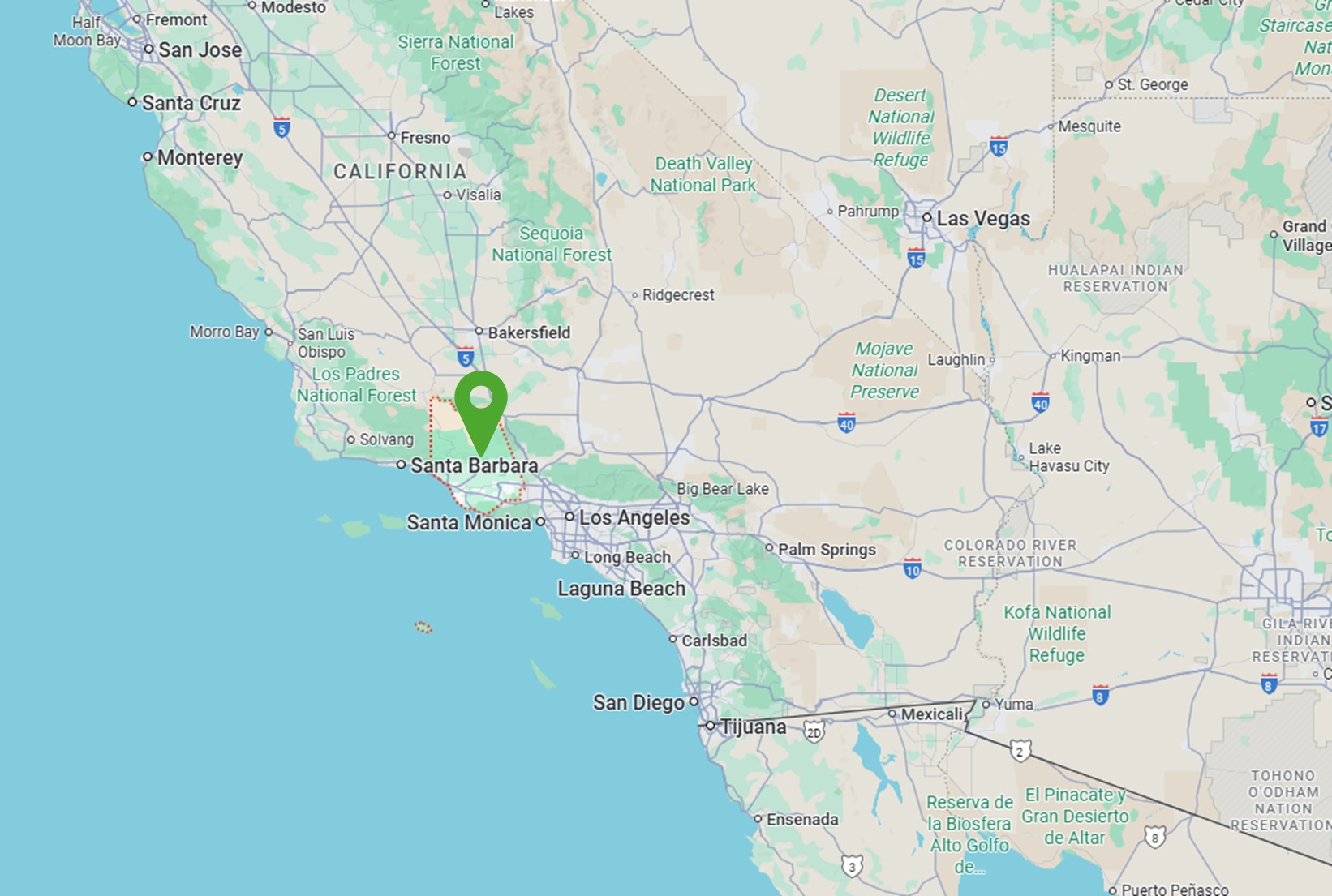
In the search for optimized growing practices, a field trial was conducted in Ventura County, California (USA) to evaluate the impact of a dedicated protocol based on HaifaStim™ biostimulants.
The results clearly confirmed the benefit: a 15.6% increase in marketable yield and nearly USD 14,000/ha additional net profit for the grower.
Explore Haifa's Strawberry Crop Guide
Trial details
Both plots – HaifaStim™ and the grower’s standard practice – received identical base nutrition, including:
- Pre-plant application: Multicote™ 22-8-13 (“Strawberry SUPER Mix”) at 560 kg/ha
- In-season fertigation: 10 bi-weekly applications of water-soluble fertilizers, delivering approximately
- 224 kg/ha N
- 61 kg/ha P₂O₅
- 123 kg/ha K₂O
Tested treatments
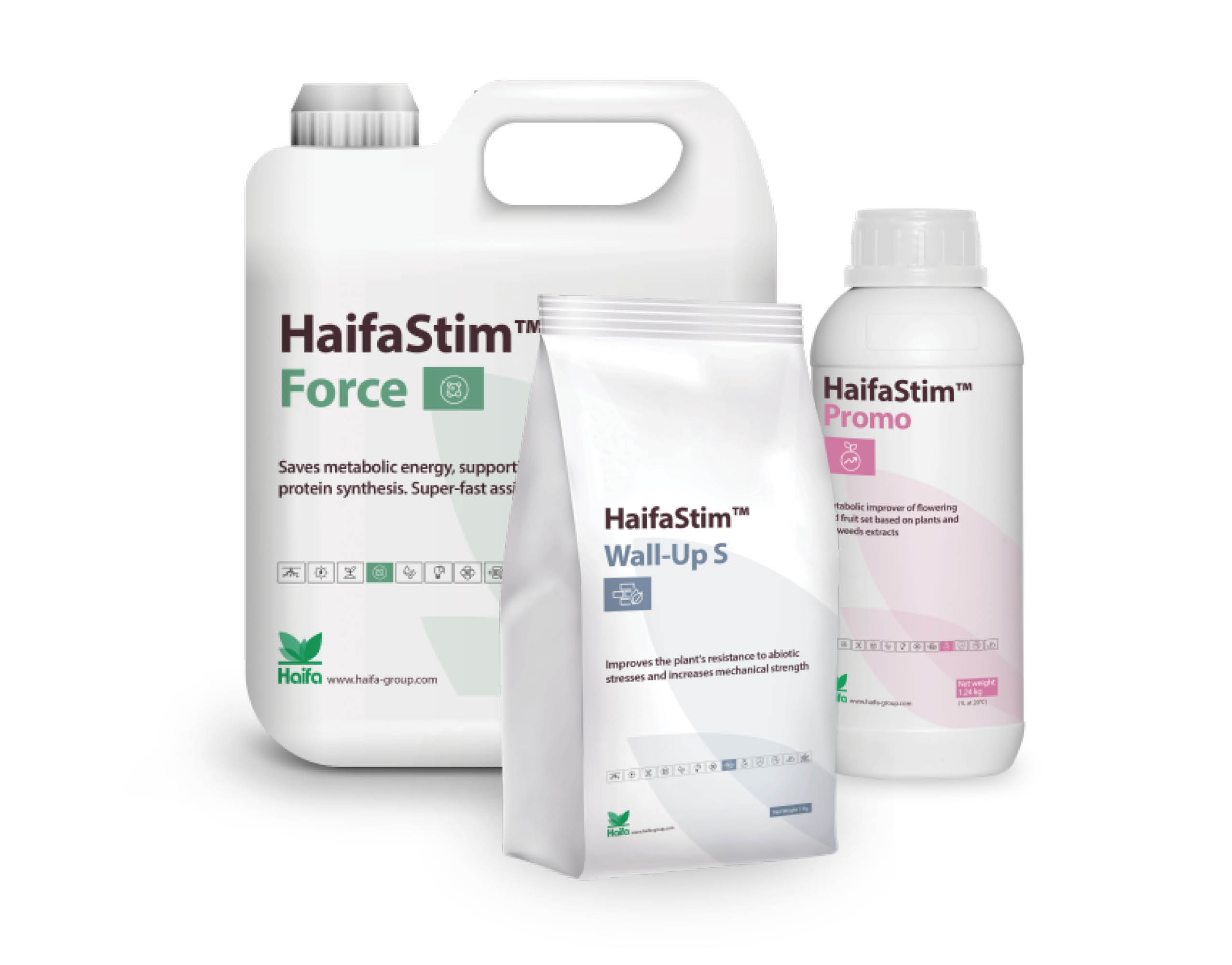
| Product | Rate | Timing | Mode of application | Number of applications |
Grower’s practice | Ascophilum nodosum Kelp | 2.4 l/ha | Start on 10.11, every 3 weeks | Foliar | 1 |
| HaifaStim™ | 1.1 kg/ha | Start on 1.11, every 2 weeks | Injection in soil | 11 | |
3.2 l/ha | Start on 10.11, every 3 weeks | Injection in soil | 7 | ||
2.4 l/ha | 1 week prior to first bloom | Injection in soil | 1 | ||
1.2 l/ha | After 2nd flower | Foliar | 12 |
Results
Plant development
The following images document plant development throughout the season, comparing the grower’s standard practice with the HaifaStim™ program.
| February 26 | March 12 | April 10 | |
| Grower’s practice | 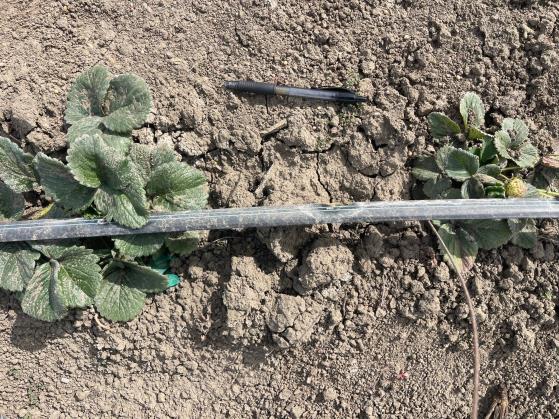 | 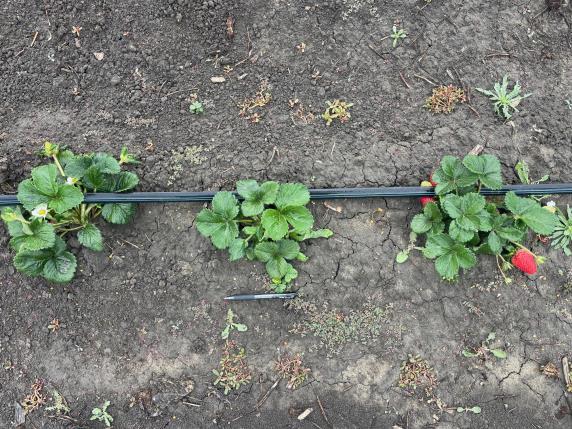 | 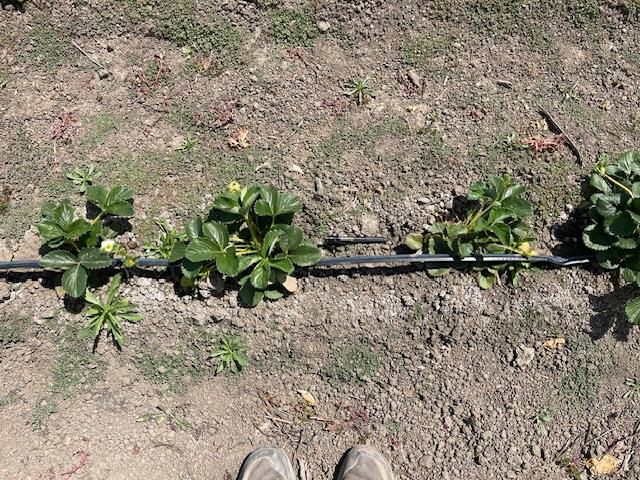 |
| HaifaStim™ | 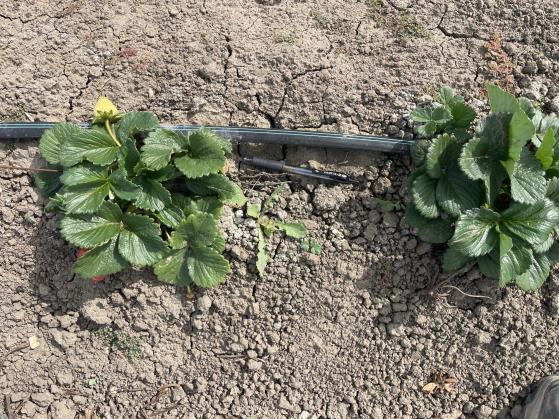 | 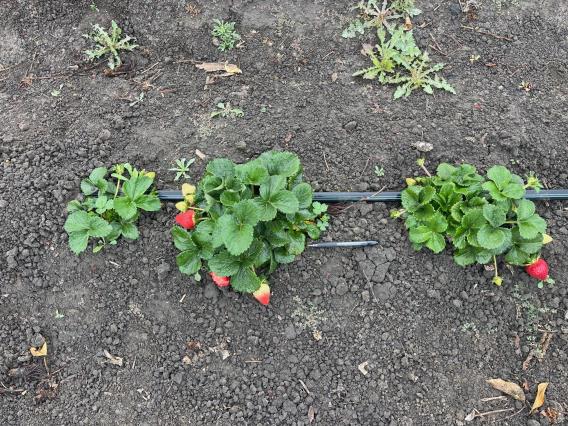 | 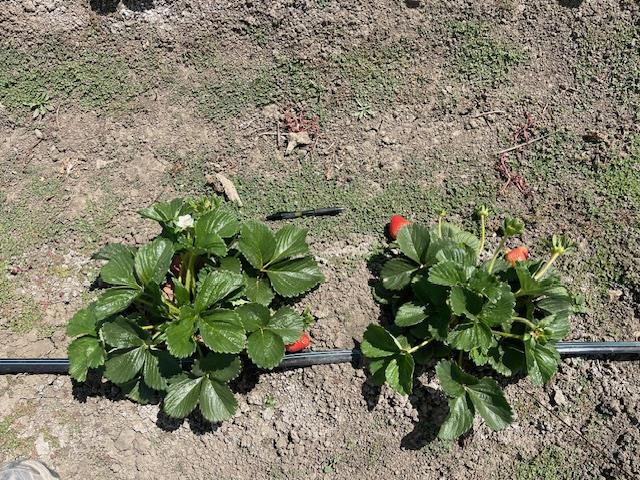 |
Yield results
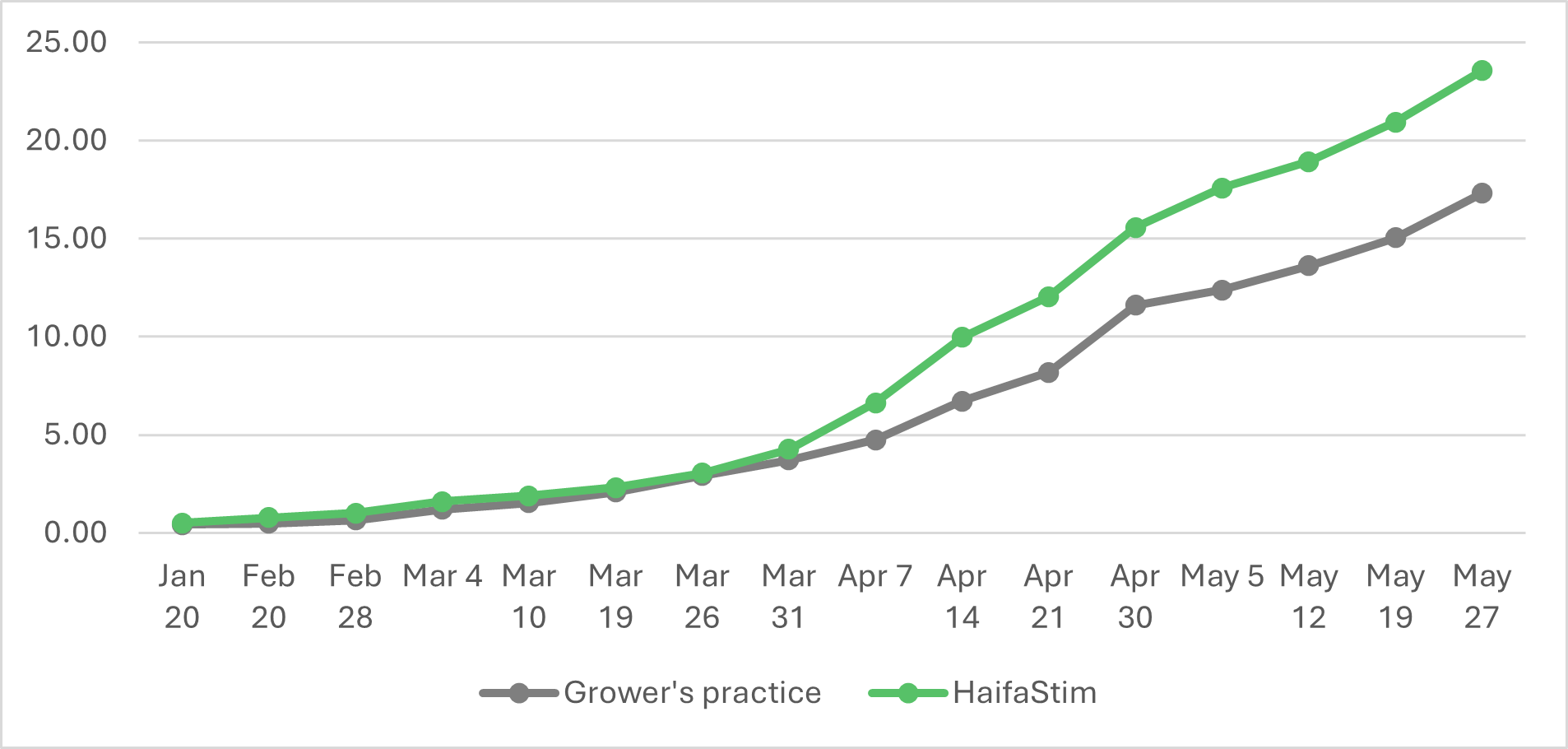
The HaifaStim™ treatment delivered clear advantages over the grower’s standard practice:
- Higher marketable yield, driven by improved fruit size, quality, and fruit set
- Increased crown production, leading to greater fruiting capacity per plant
- Higher total seasonal fruit weight, confirmed across both marketable and non-marketable harvests
Economic Impact
Despite input costs that were approximately USD 3,000/ha higher than the grower’s standard practice, the HaifaStim™ treatment generated an additional USD 13,920/ha in net profit, driven by a 3.1 ton/ha (15.6%) increase in marketable yield.
This positions the HaifaStim™ program as a strong economic option when adopted at farm scale.
Conclusions
- The combination of HaifaStim™ Promo, Force, and Wall-Up S successfully increased flowering without negatively affecting fruit quality.
- Silicon supplementation and enhanced nutrient efficiency supported plant performance under increased reproductive demand.
- While program cost remains a consideration, the yield response clearly justifies the investment.
Bottom line: A targeted HaifaStim™ biostimulant program demonstrated its ability to improve strawberry yield, quality, and profitability – offering growers a practical, performance-driven pathway to higher returns.
Report by Earl Chipman, Haifa agronomist in North America
Explore Haifa's Strawberry Crop Guide


